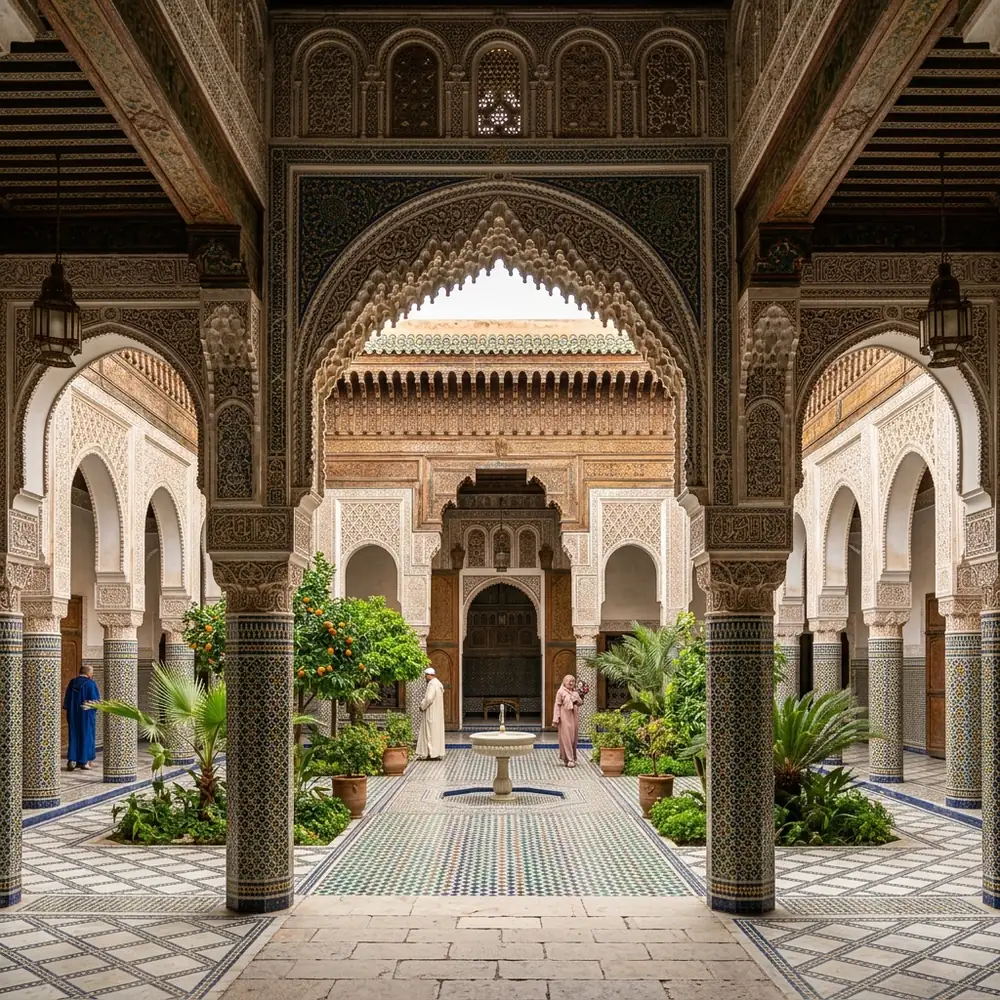
We're Moroccan.
We cook Moroccan.
We started this because we got tired of seeing bad Moroccan food content online. This is our home. We know how it actually tastes.
Why We Built This
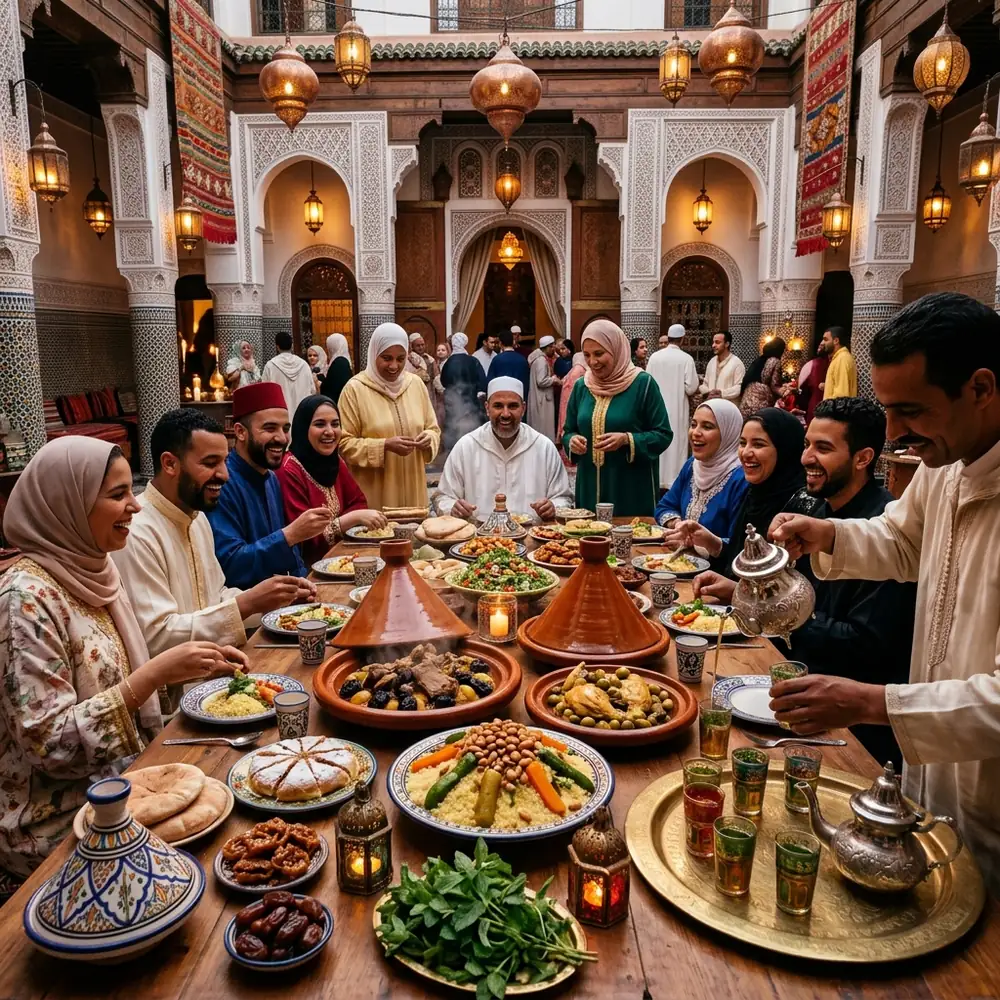
Growing up in Morocco, we learned that hospitality — what we call Karam — isn't a service. It's just what you do. You open the door, you sit people down, you feed them properly. No fuss about it. As Moroccan food got popular online, a lot of the content got... simplified. Recipes changed. Context disappeared. The Moroccan Food exists to fix that. We document the real thing, the actual history, the regional differences.
What We Stand For
How We Do Things Here
We Check Our Sources
Every recipe we publish has roots in real Moroccan cooking history. We don't make things up or follow trends.
We Respect the Craft
Moroccan cooking is skilled work. The women who make couscous by hand, the men who tend the street grills at 6am — we're here to honor that.
We Invite Everyone
Our door is open. Whether you're Moroccan and want to share a recipe, or you're from somewhere else and want to understand what you're eating — you're welcome here.
H.Elmrabet
"Let the food speak for itself"
H.Elmrabet grew up between Tangier in the north and the Sahara in the south. He spent years watching the online image of Morocco get flatter and less accurate.
"Moroccan food is not a trend. It's a way of living that took 12 centuries to build. I started this site because I wanted people to know the real thing."
Through this site, he wants to cut through the noise and show what Morocco actually is. One recipe, one story, one cup of mint tea at a time — but the real versions, not the tourist ones.
Moroccan Words You Need to Know
Master the vocabulary that defines our home. These aren't just words; they are the beat of our daily life.
Tagine (طاجين)
A clay pot with a cone-shaped lid. That cone sends steam back down into the food while it cooks, which is why tagine meat is always so tender. The pot and the dish share the same name.
Ras el Hanout (رأس الحانوت)
Literally means "head of the shop" — the spice merchant's best blend, up to 35 different spices. Every shop has its own formula. You can't really replicate it, but you can try.
Maâlem (معلم)
A master craftsman. Could be a cook, a tile-cutter (Zellige), a carpenter. Took years to earn the title. The word carries a lot of respect.
Argan (أركان)
A tree that only grows in southwest Morocco. The oil from its seeds is used in cooking (it's nutty and rich) and in cosmetics. Goats climb the trees for the fruit. Yes, really.
Zellige (الزليج)
Hand-cut ceramic tiles arranged into geometric patterns. If you've seen the colorful walls in Moroccan riads or mosques — that's zellige. Every piece is cut by hand.
Karam (كرم)
Hospitality. But not the hotel kind. The kind where a stranger knocks on your door and you immediately start cooking for them. It's a reflex, not a gesture.
Atay (أتاي)
Mint tea is not just a drink. It’s our way of saying "welcome". Poured from high up to create a thick foam, it’s present at every gathering, business deal, and family argument.
L'Ftour (الفطور)
The breaking of the fast, or simply breakfast. But in Morocco, it's a heavy spread of msemen, baghrir, honey, olive oil, and mint tea that makes you forget lunch even exists.
Warqa (ورقة)
A paper-thin pastry dough, cooked on a hot drum. It’s thinner than phyllo and notoriously hard to make. It’s the secret behind a perfect, crispy Bstilla pie.
12+
Centuries of History
12
Regions, One Nation
100%
Real Family Recipes
1
Unified Kingdom