The Archives.
A collection of our past publications, modern guides, and supplementary articles. While our main Journal focuses on timeless cultural heritage, the Archives preserve everything else we've written about Morocco.
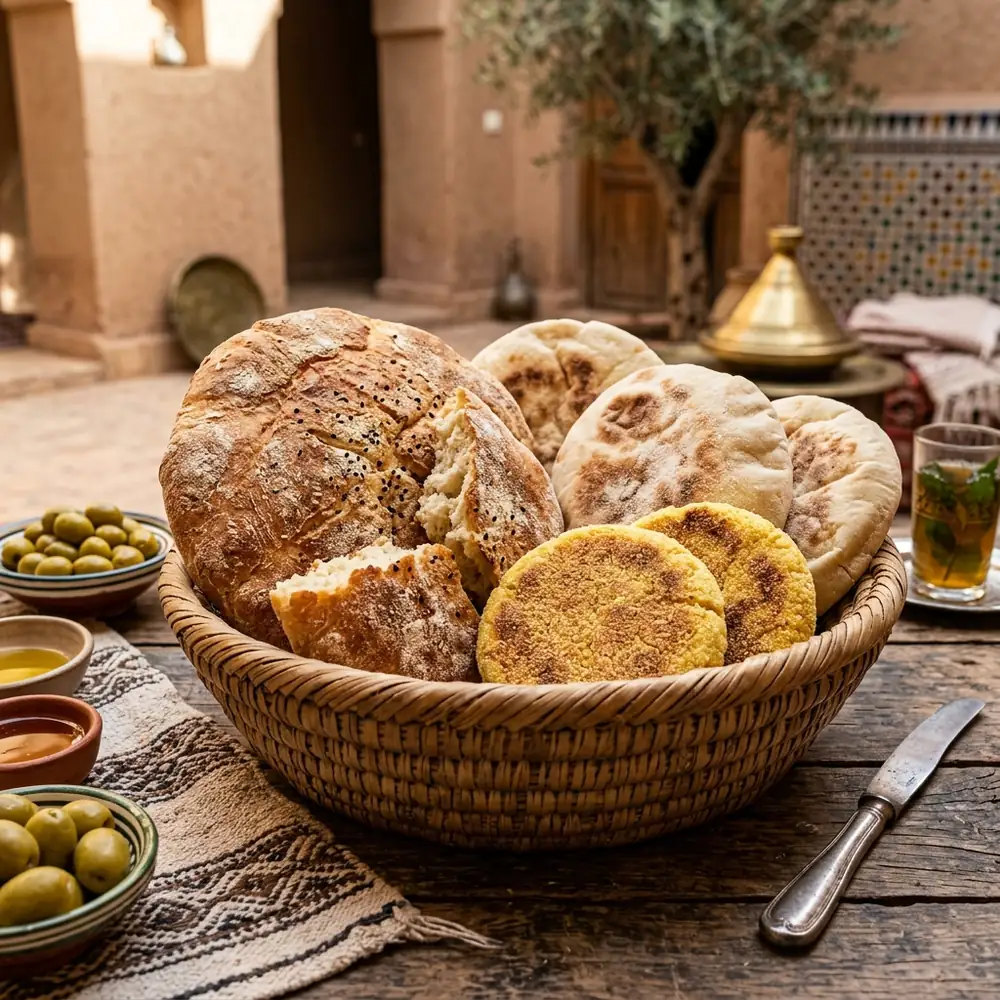
Khobz: The Soul of the Table
In our family, bread isn't just food; it's our fork, our spoon, and the beating heart of our daily gatherings.

Tanger Med: The Mediterranean Maritime Titan
How Morocco became the leading maritime hub in Africa and the Mediterranean.

Noor: Lighting the Sahara with Renewable Energy
The world's largest concentrated solar power complex in the heart of our desert.
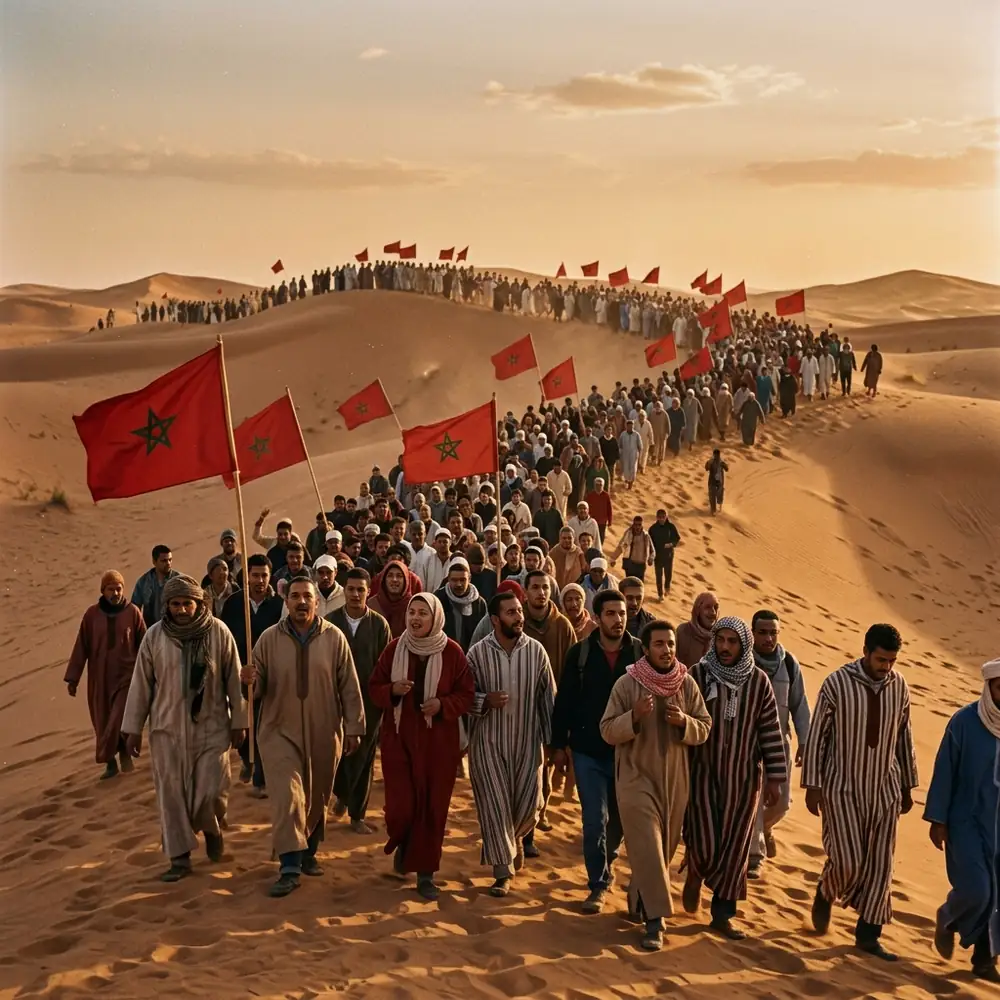
The Green March: A Sacred Legacy of National Unity
Celebrating the historic 1975 peaceful march that unified our Kingdom.

Dakhla: The Pearl of the South at the Edge of the Sahara
Where the Sahara desert kisses the Atlantic lagoon.
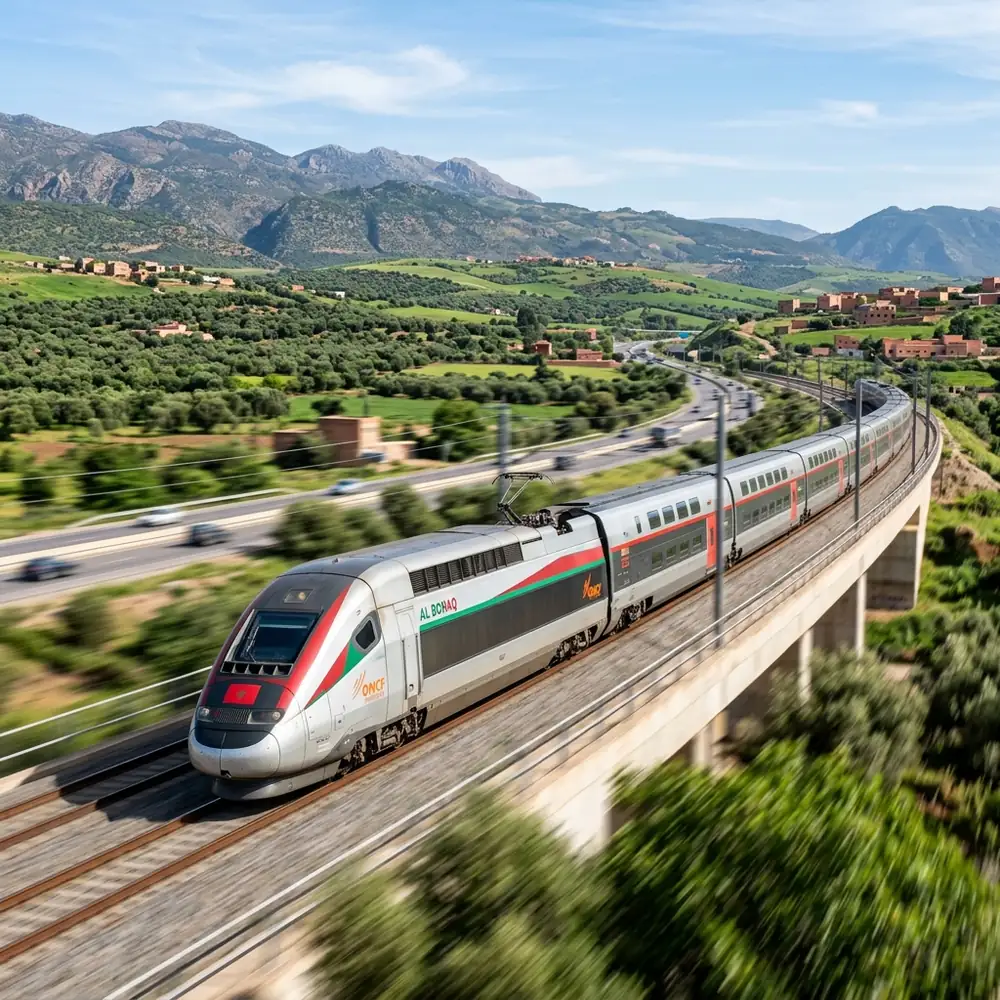
Al Boraq: The High-Speed Pride of Africa
Africa's first high-speed train, a symbol of Moroccan progress.
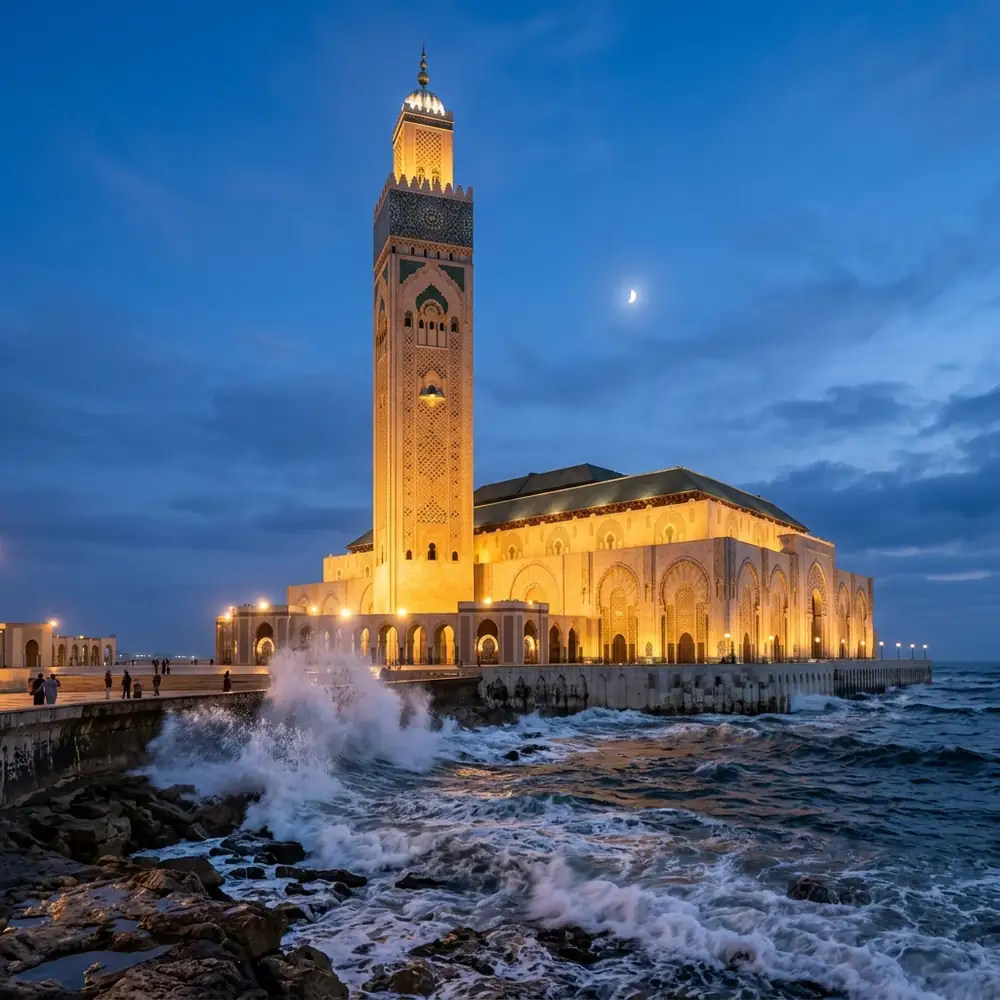
The Majesty of Hassan II Mosque: A Masterpiece on the Atlantic
A masterpiece of architecture floating on the Atlantic.
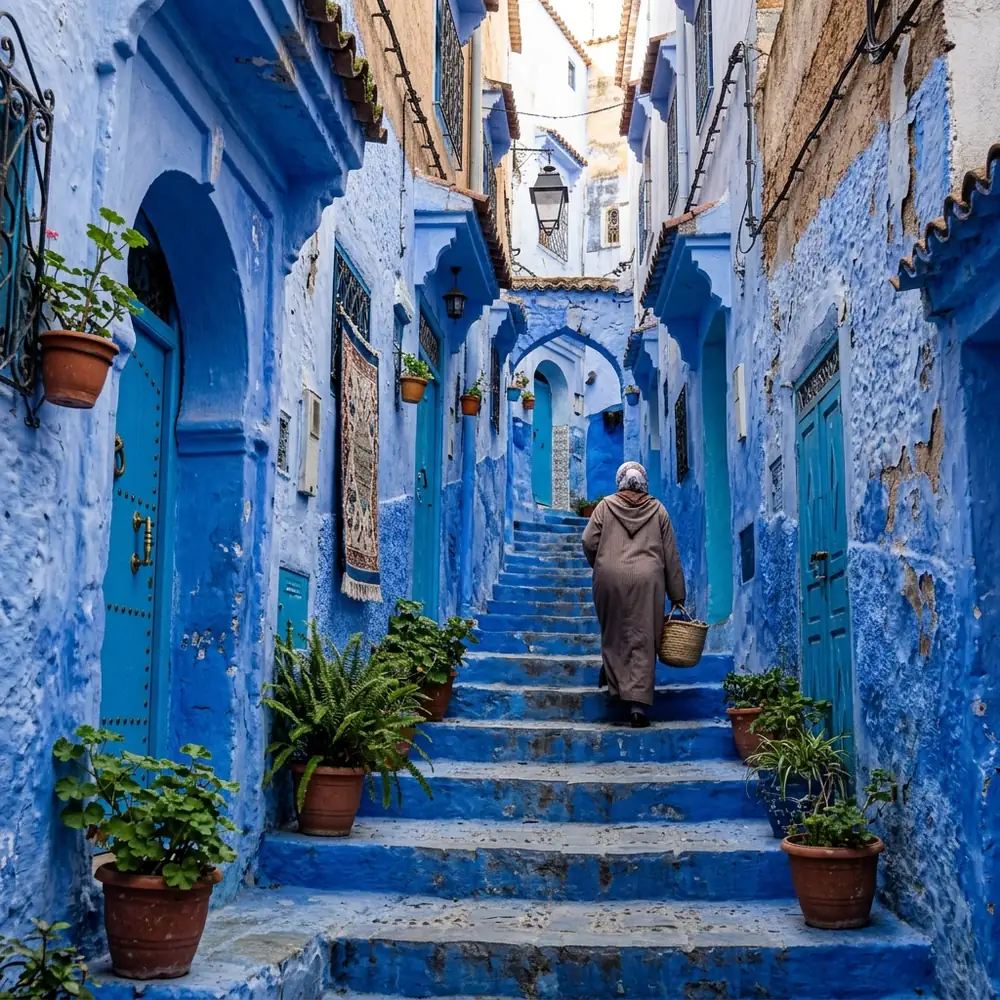
Chefchaouen: The Azure Dream of the Rif Mountains
Wandering through the azure alleys of the Rif mountains.
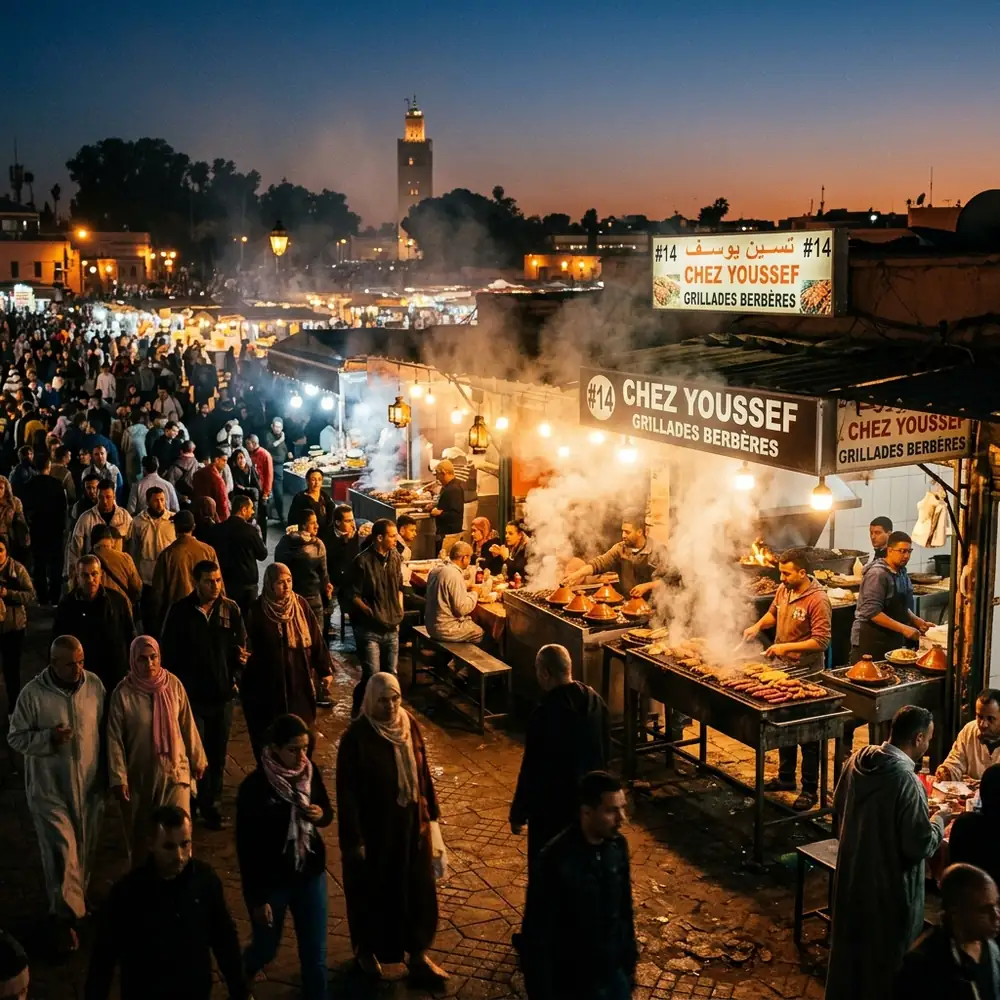
Marrakech: The Living Heartbeat of Jemaa El Fna
Where storytelling and street food create an eternal theater.

Gnaoua Music: The Rhythmic Healing of the Atlantic
Exploring the rhythmic heritage of Essaouira.

Moroccan Hospitality: A Sacred Duty
Why every guest is considered a blessing in a Moroccan home.

High Atlas Eco-Tourism: Trekking the Peaks of North Africa Sustainably
Trekking through the peaks of North Africa sustainably.

Morocco: The New Global Hub of the Automotive Industry
The Kingdom's rise as a top global player in car manufacturing.
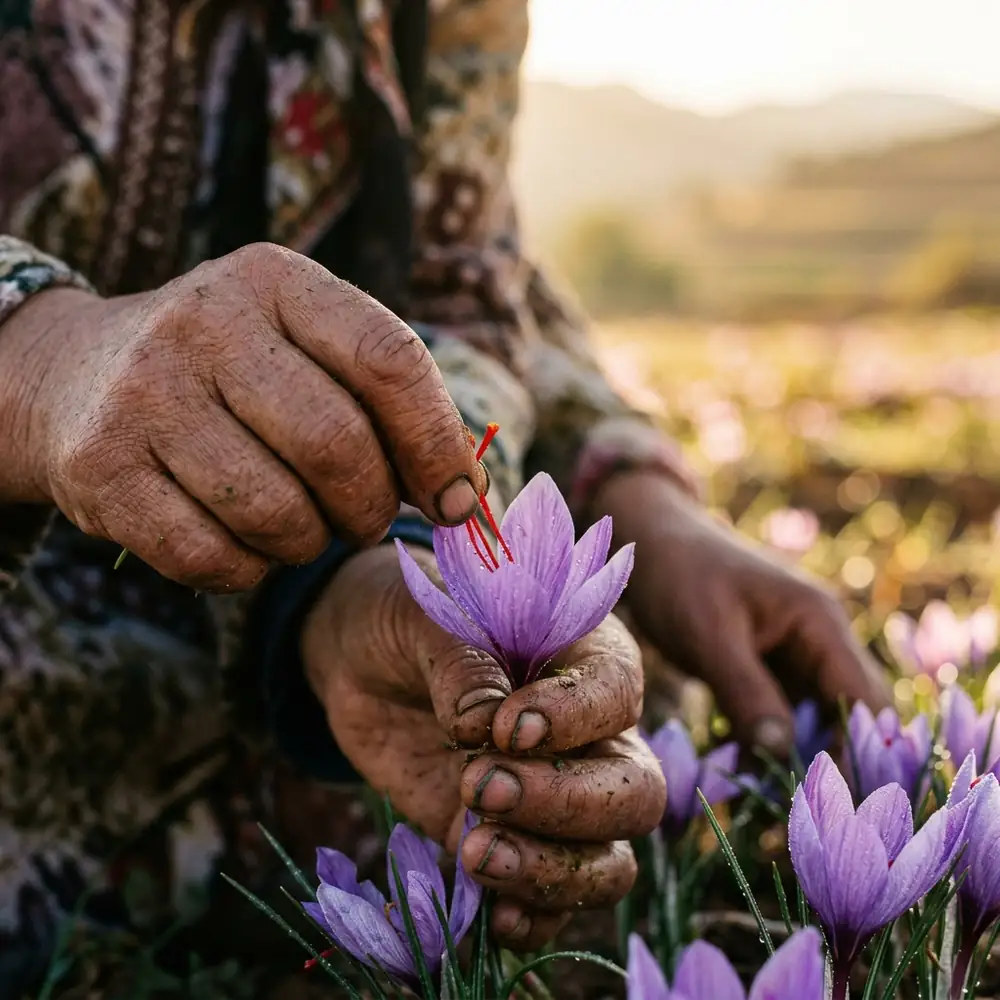
Taliouine Saffron: The Most Aromatic Saffron in the World
Discovering the world's most aromatic saffron.
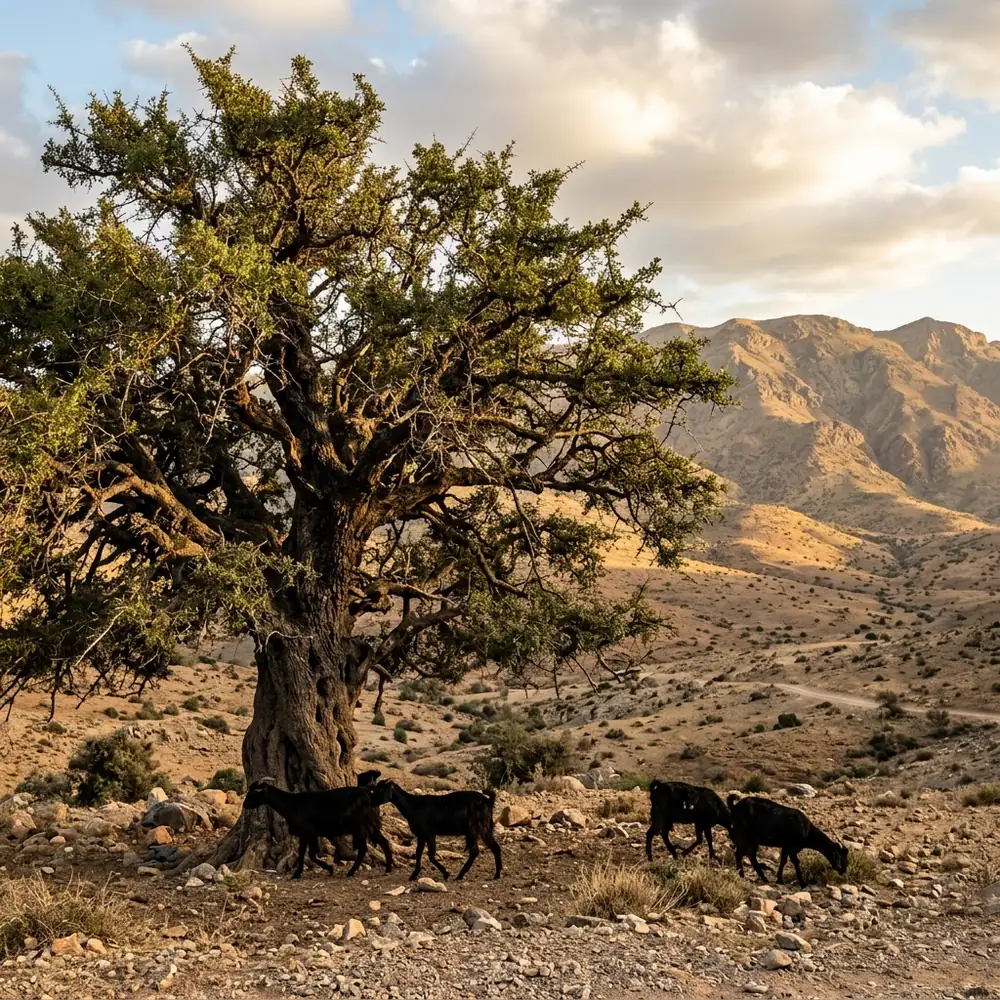
The Argan Forests: A UNESCO Legacy of Environmental Sovereignty
Protecting the world's unique Argan heritage in the Souss valley.
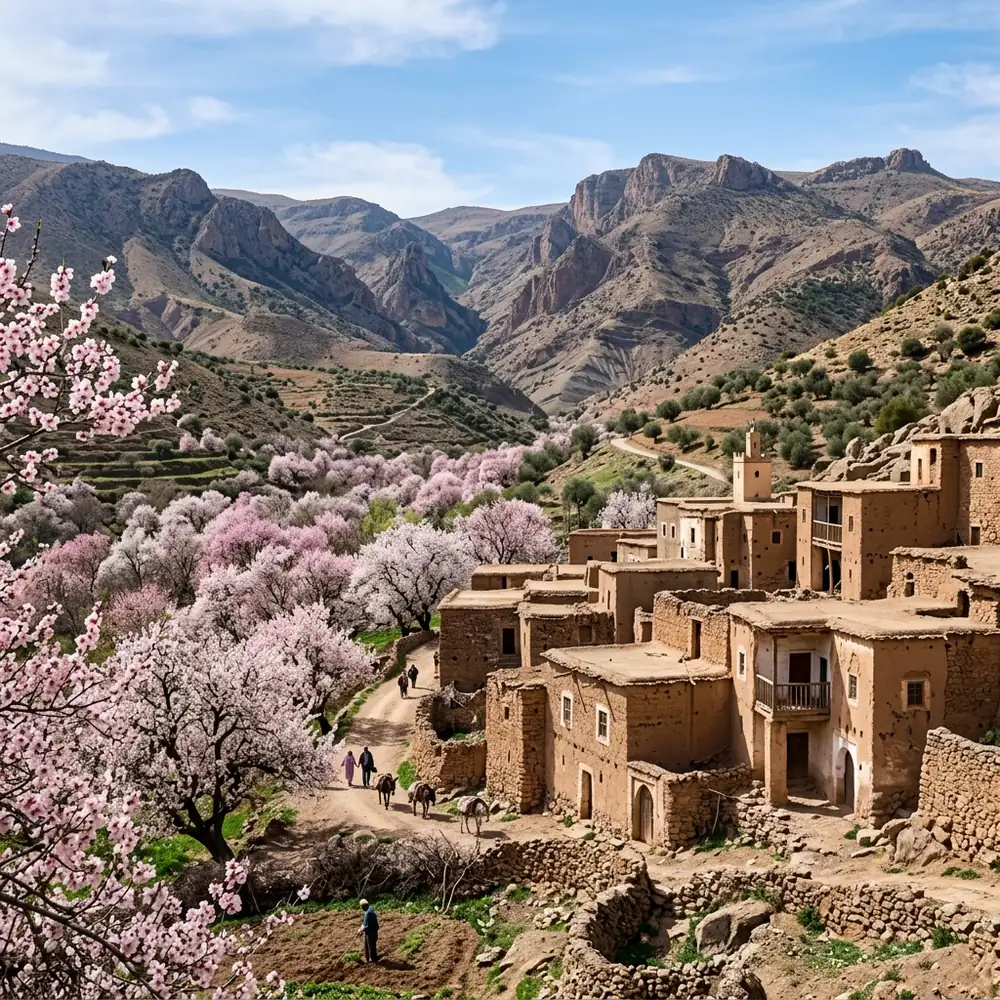
Oujda: The Thousand-Year-Old Gateway to the East
Exploring the vibrant border-town culture and the music of Gharnati.
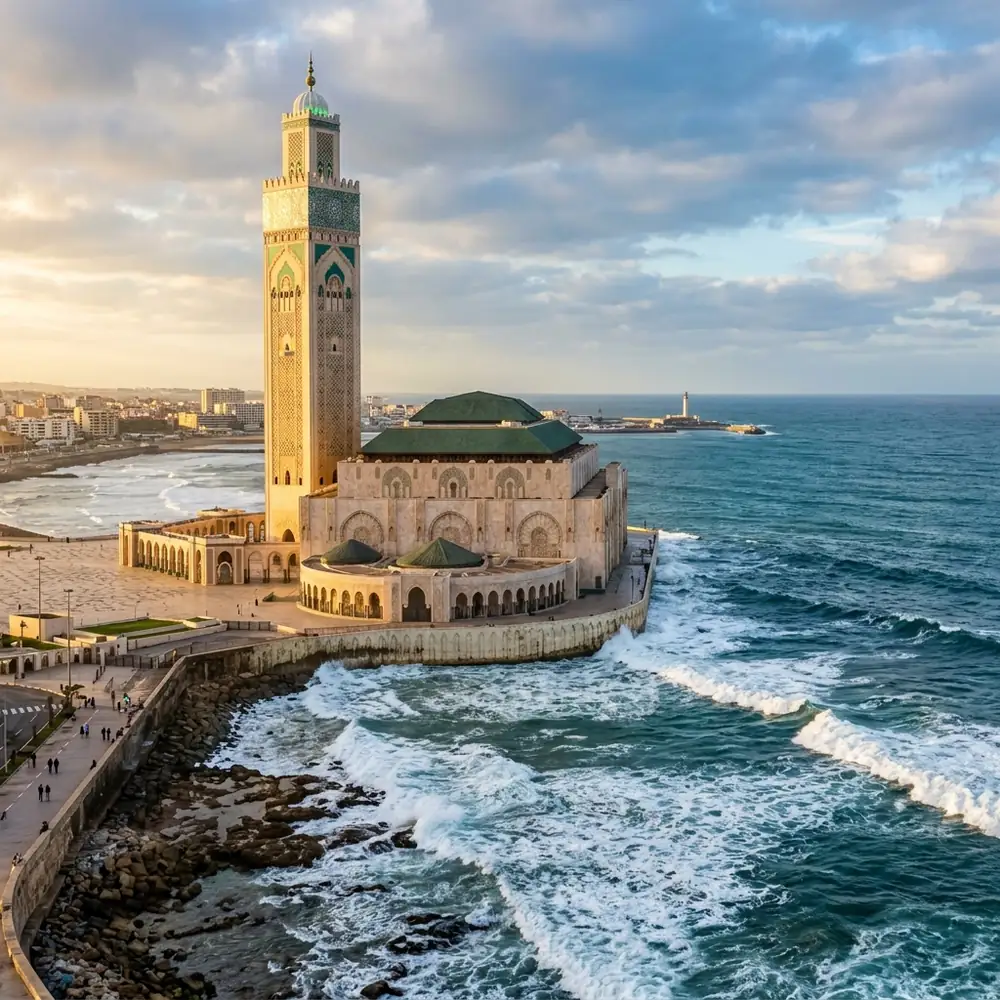
Rabat-Salé: Modernity Meets Heritage in the 21st Century
Discovering the "City of Light" and its architectural future.
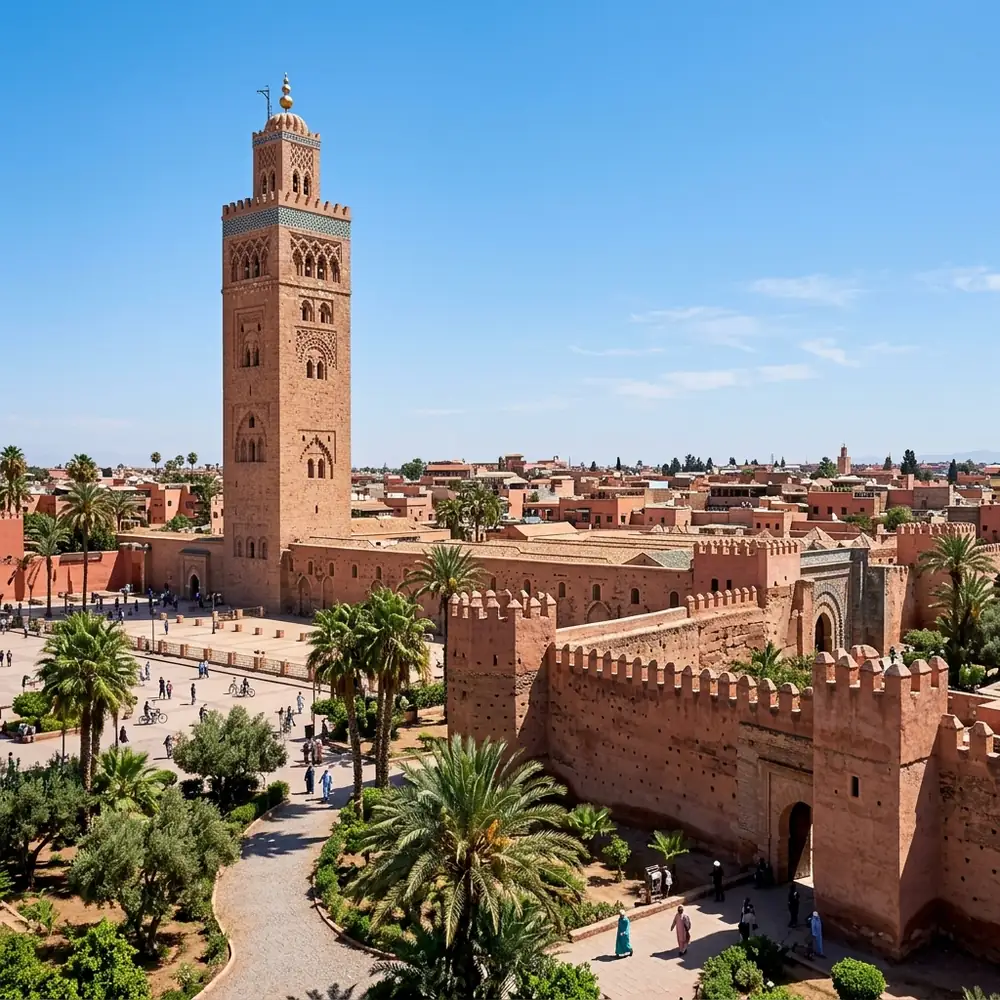
Koutoubia: The Architecture of the Soul in Marrakech
The story behind the landmark that defines the Marrakech skyline.

Merzouga: Tales of the Golden Dunes and the Infinite Silence
Watching the sunrise over the Erg Chebbi sea of sand.

The Moroccan Caftan: A Global Fashion Icon of Imperial Elegance
Worn by queens and fashionistas, the Caftan is our garment of pride.

Essaouira: The Wind-Swept Beauty of the Atlantic Coast
Blue boats, white walls, and the legacy of Mogador.
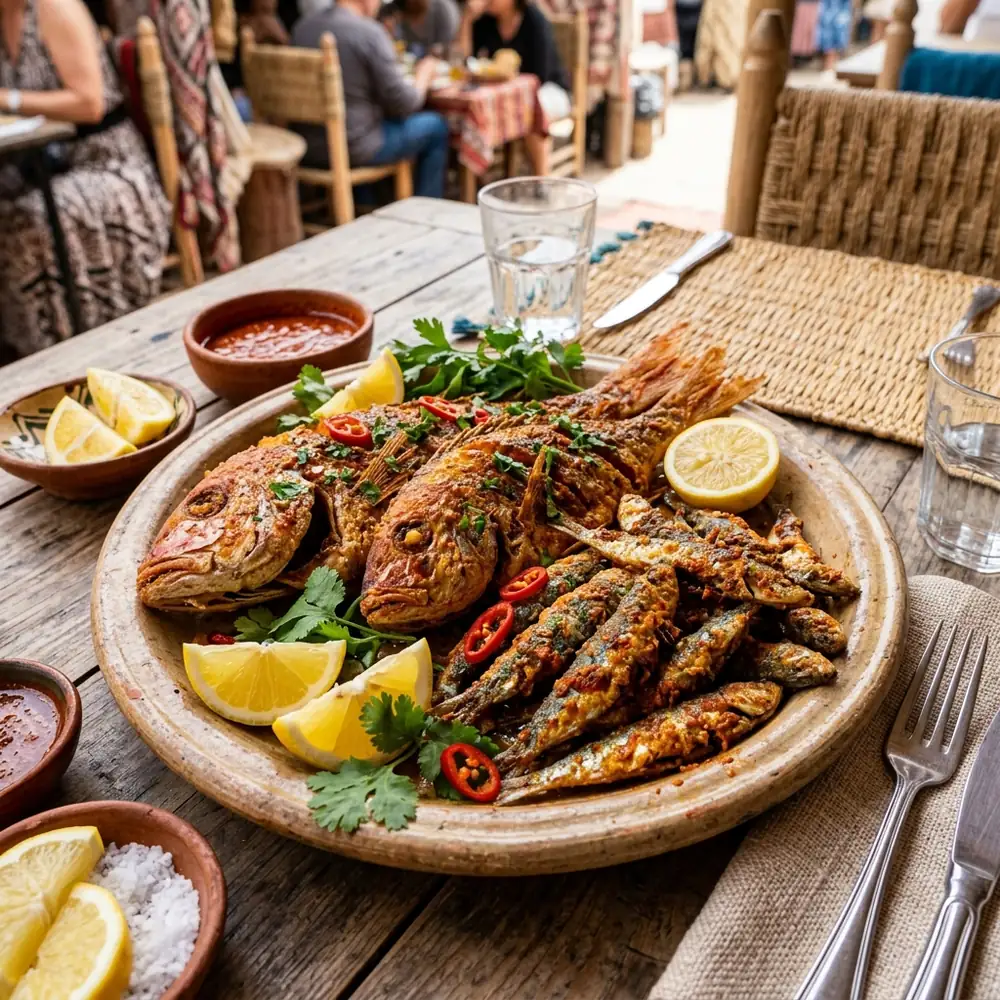
Sustainable Fishing: Protecting the Riches of Our Two Seas
Morocco's commitment to blue economy and ocean health.
Moroccans of the World: The 13th Region and the Global Heart of the Kingdom
How our community abroad contributes to the Kingdom's progress.

Moroccan Football: The Pride of Africa and the 2030 World Cup Dream
From the Atlas Lions to the 2030 World Cup dream.
El Jadida: The Portuguese Legacy and the Magic of Mazagan
Exploring the underground cistern and the star-shaped fortress.
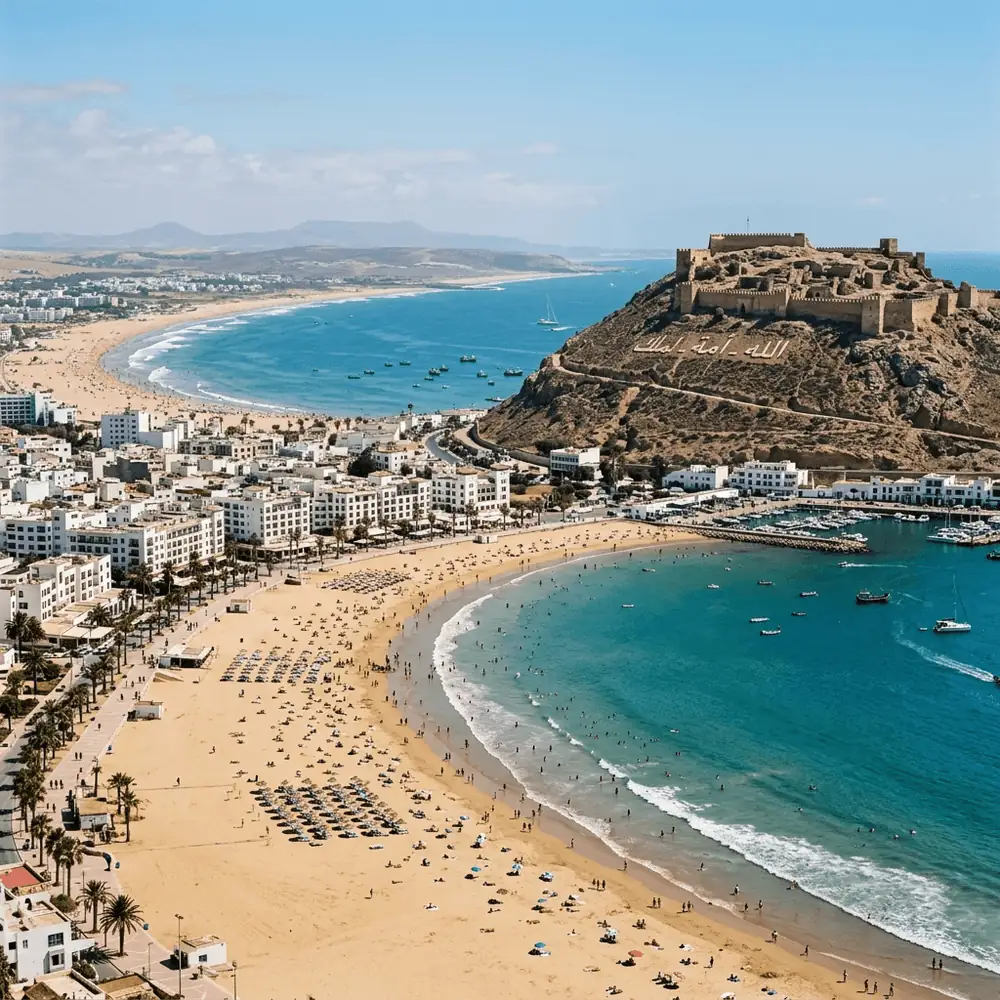
Green Generation: The Future of the Moroccan Land and Food Sovereignty
How we are modernizing agriculture to face climate challenges.
Guerguerat: The African Bridge and the South-South Vision
Securing the continental link for trade and friendship.
Empowering the Youth: The Digital and Intellectual Future of the Kingdom
Innovation, startups, and the 2035 New Development Model.
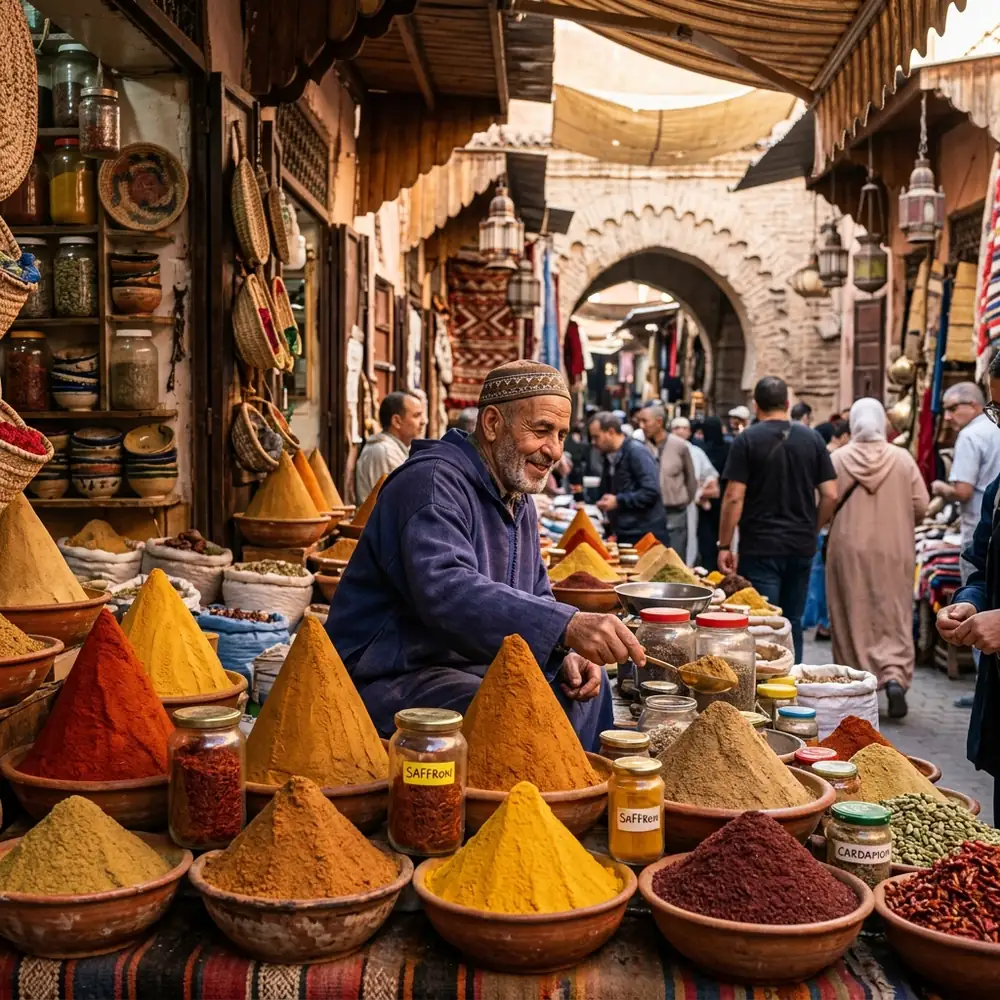
Ras El Hanout: The Soul of the Moroccan Kitchen
Decoding the "Head of the Shop" – Morocco's most complex and mysterious spice blend.
Liquid Gold: The Sacred Argan Forests of the Sous
The story of the world's rarest oil and the women who preserve its legacy.
Sleeping in a Moroccan Riad: The Complete Insider Guide
What it really feels like to sleep inside a 400-year-old Moroccan palace — and how to choose the right riad for your trip.
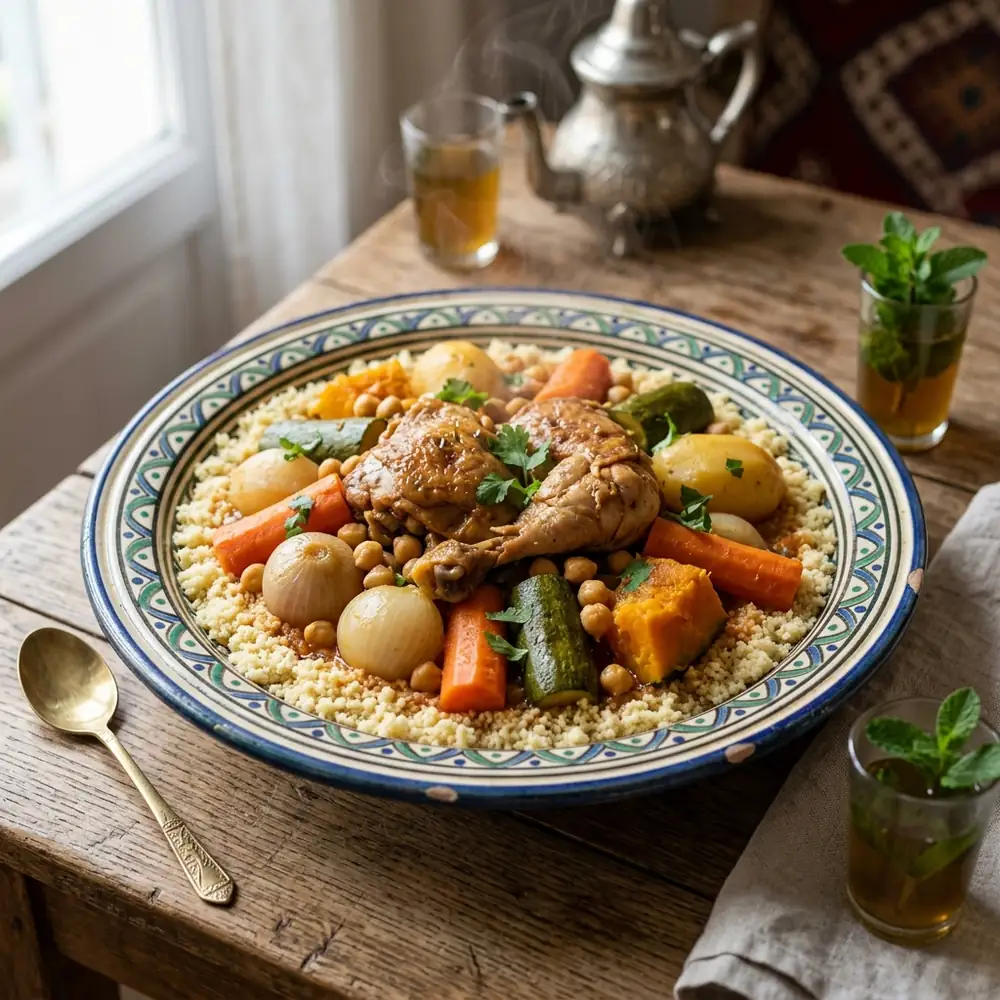
Friday Couscous: The Sacred Meal That Unites Every Moroccan Family
Every Friday, across the entire Kingdom, millions of Moroccan families gather around the same dish. Here is the story of our most sacred meal.
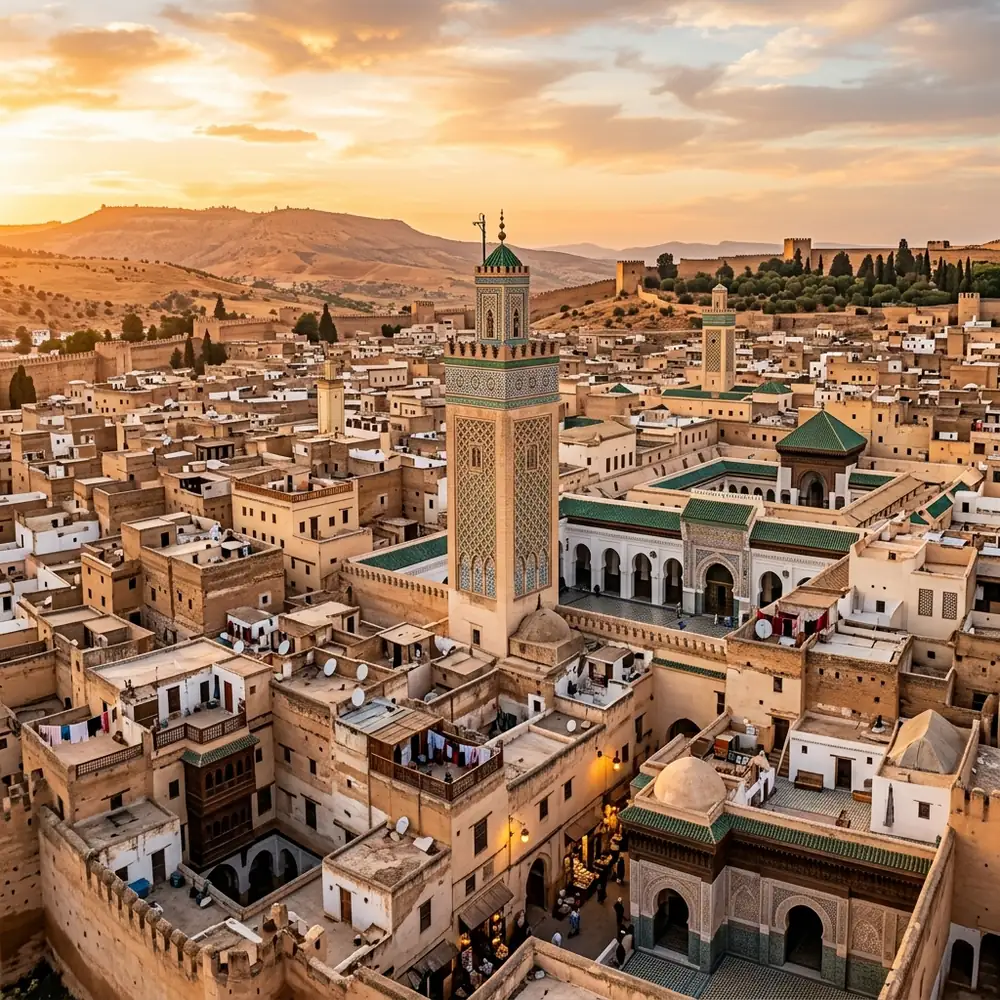
Fes el-Bali: Walking Through the World's Oldest Living City
With over 9,000 streets, a 1,200-year-old university, and the world's largest car-free urban area — Fes el-Bali is unlike any city on Earth.

The Moroccan Hammam: A Complete Guide to the Art of the Bath
Far more than a sauna — the Moroccan hammam is a weekly ritual of purification, community, and deep self-care that has no equivalent in the world.
Amlou: The Almond and Argan Dip Known as Moroccan Nutella
Discover Fliou (Pennyroyal), the aggressively strong wild mint used to cure Moroccan winter colds. Learn how it is brewed in teas and thick semolina soups to clear the sinuses.
The Walls of Taroudant: The "Grandmother of Marrakech"
Explore Agadir, the sleek Moroccan coastal resort. Learn the tragic history of the 1960 earthquake that leveled the city and the modern, brutalist architecture that rebuilt it.
Safi Pottery: The Green and Yellow Ceramics of the Atlantic
Explore the Khamsa (Hand of Fatima), the ancient protective amulet of Morocco. Discover how this massive silver and brass hand wards off jealousy and the evil eye.
Ostrich Feathers and Gold: Morocco’s Extinct Desert Trade
Discover the stunning Oasis of Skoura on Morocco's Route of a Thousand Kasbahs. Learn how ancient, underground water canals (Khettara) sustain this lush, green desert jewel.
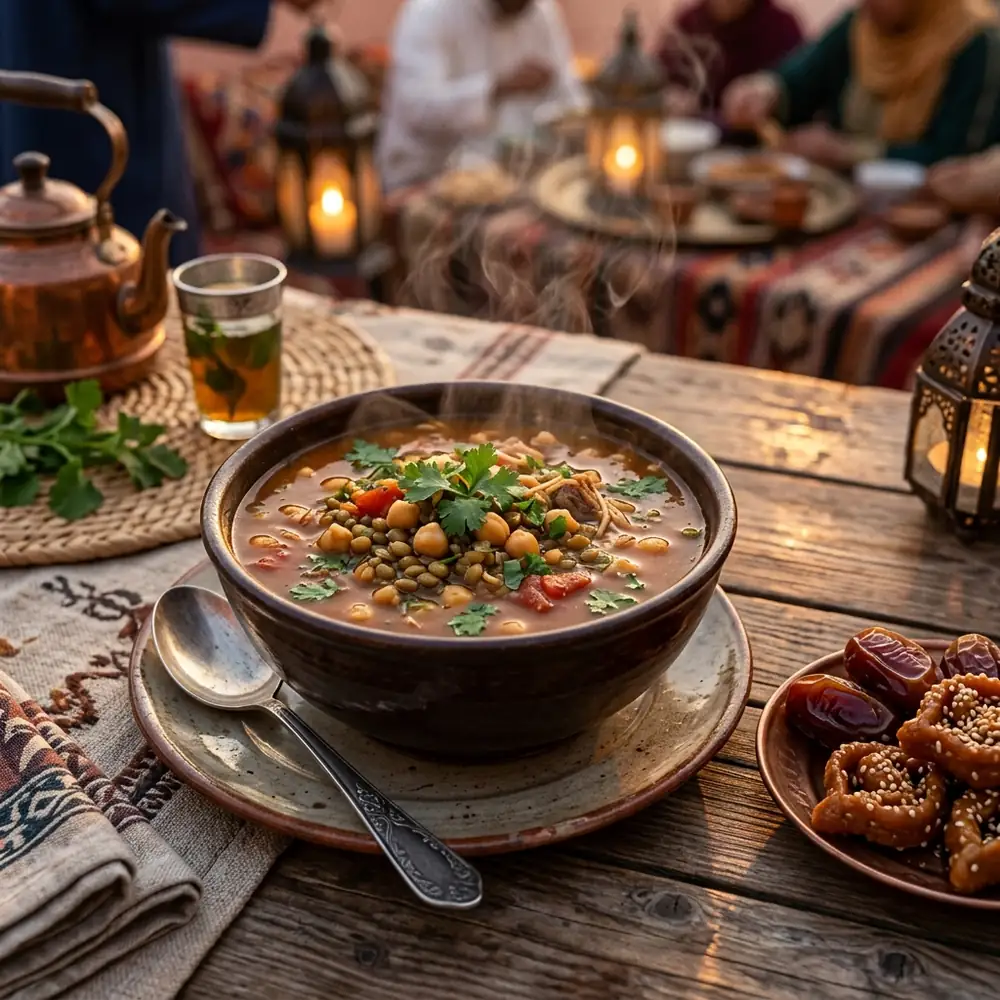
Harira Soup: The Heartbeat of the Moroccan Ramadan Iftar
Explore the rich, restorative bowl of Harira soup that breaks the fast for millions of Moroccans every night of Ramadan.
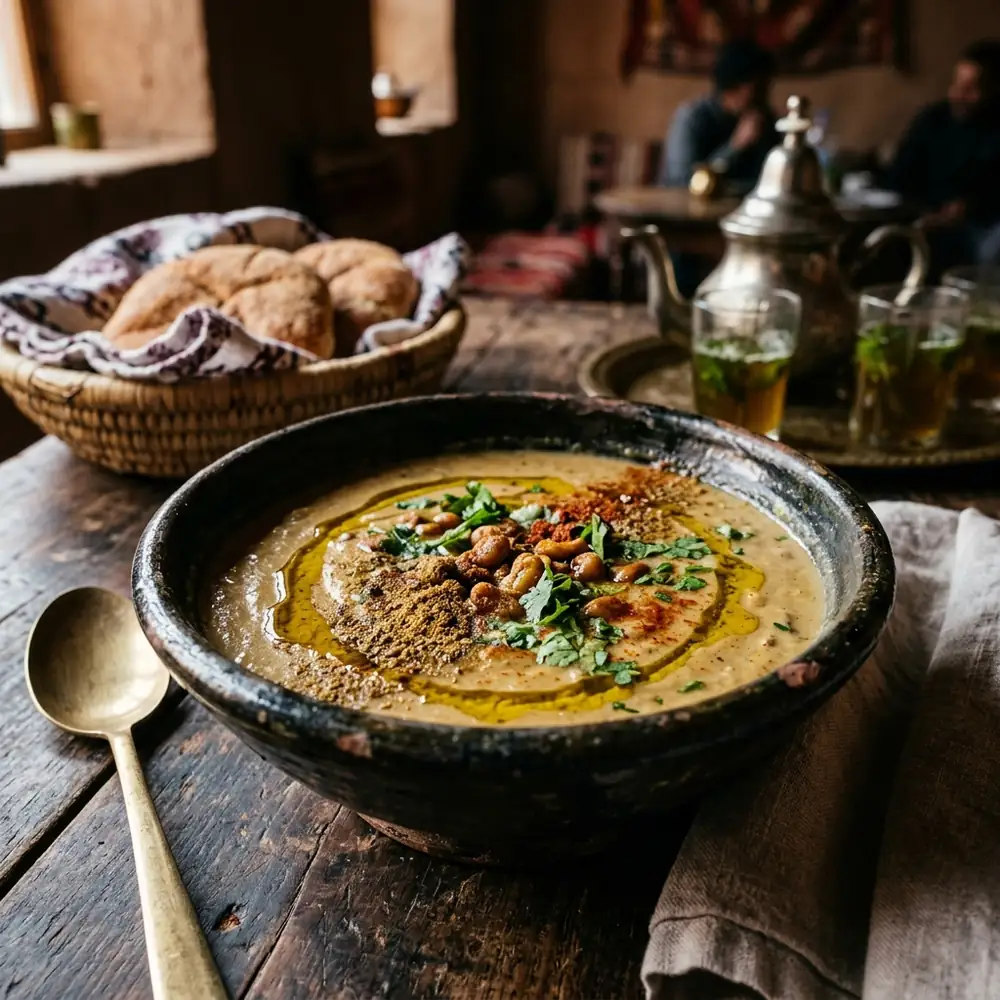
Bissara: The Ultimate Northern Moroccan Winter Comfort Food
Rich, creamy, and fiercely loved, Bissara is the undisputed king of winter mornings in the Rif Mountains.
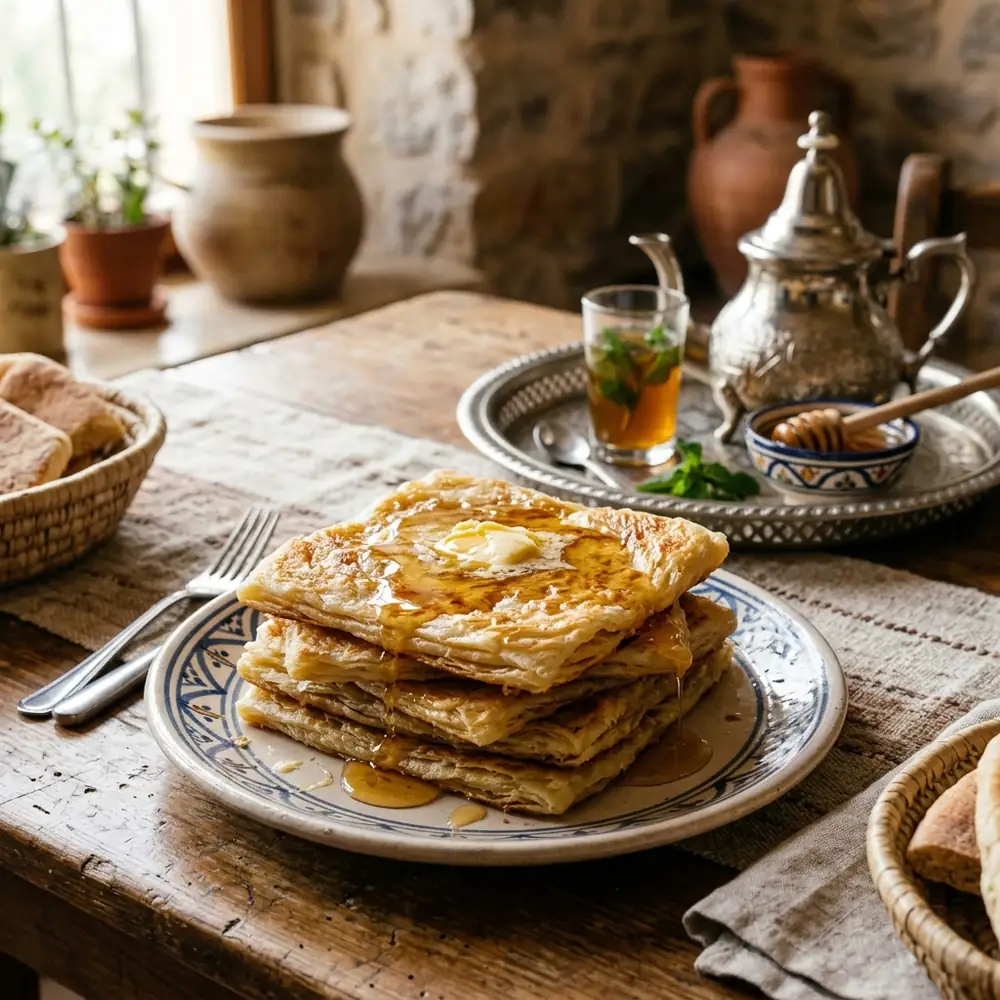
The Art of Msemmen: Folding Morocco’s Flakiest Flatbread
Uncover the painstaking process of stretching and folding Msemmen, the buttery square flatbread of Moroccan breakfast tables.
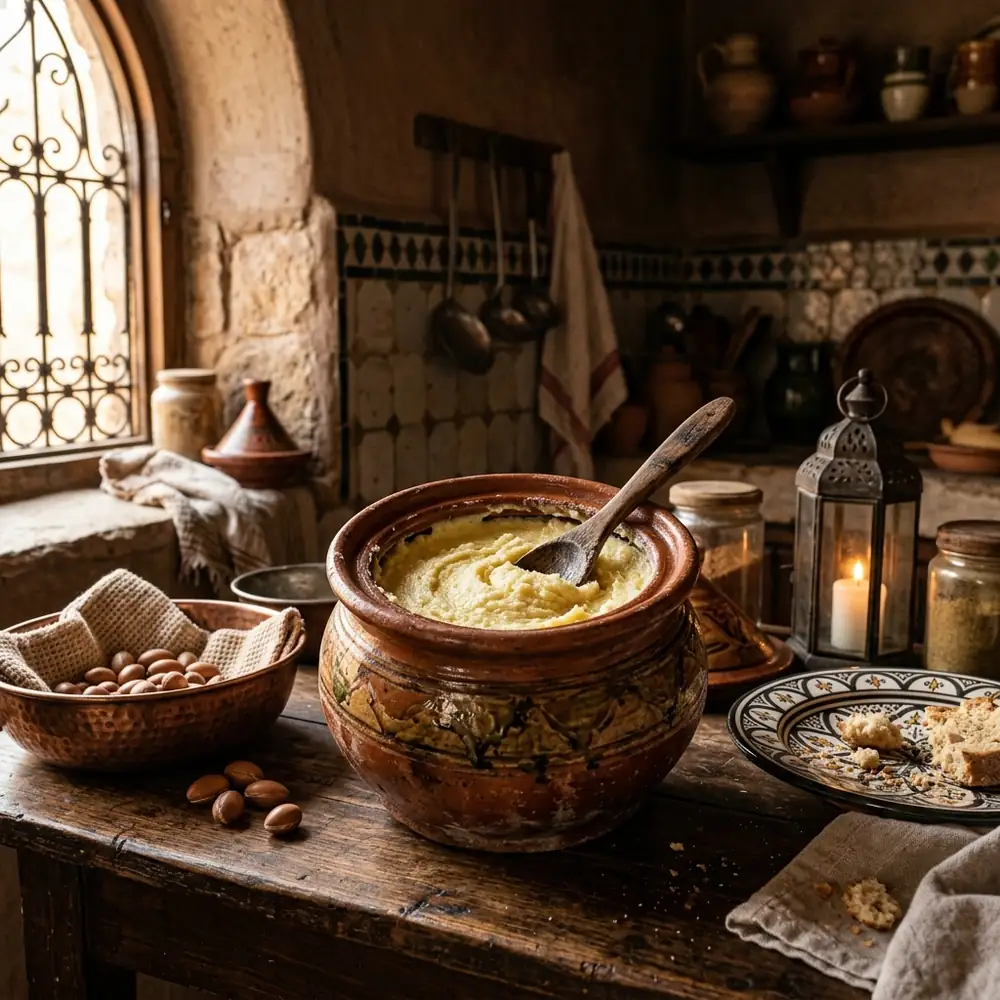
Smen: The Fermented Butter That Defines Authentic Moroccan Flavor
Often compared to aged blue cheese, Smen is the pungent, buried treasure of the Moroccan kitchen.
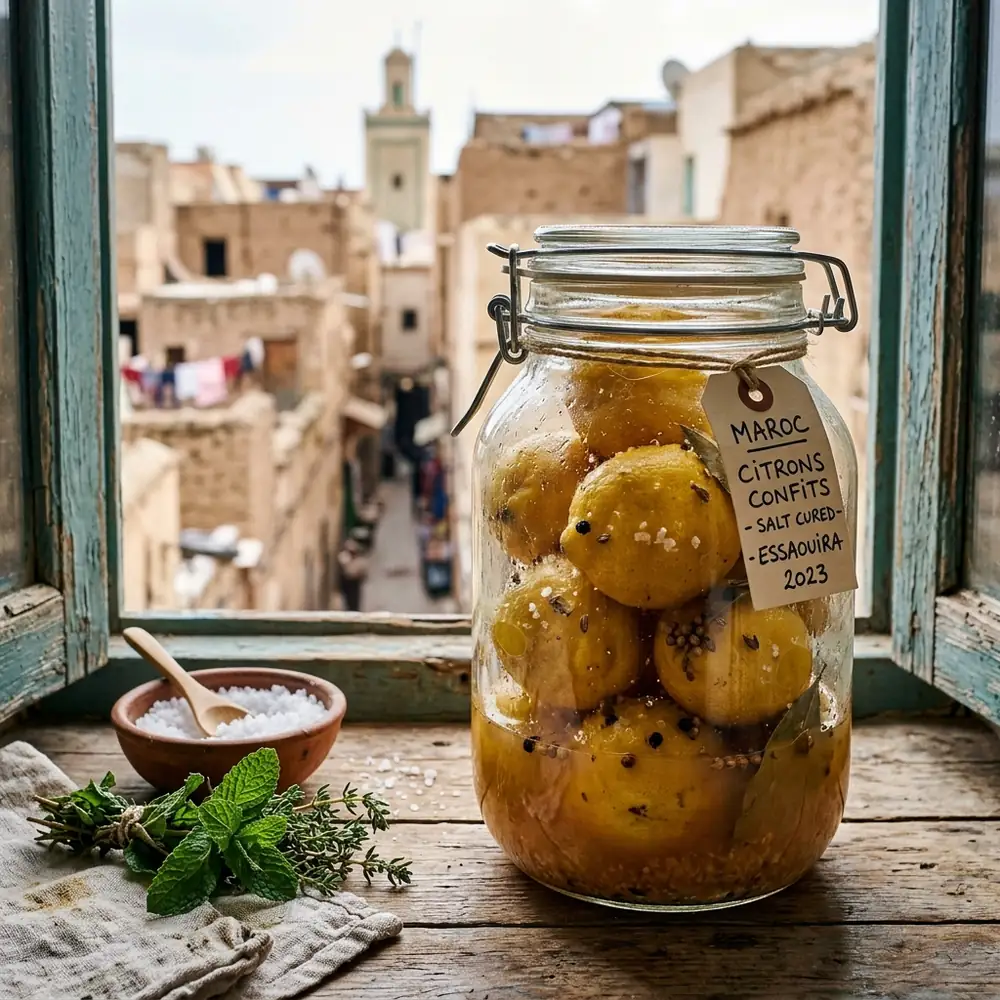
Preserved Lemons: The Golden Secret Behind Our Best Chicken Tagines
How salt and time transform simple lemons into the umami-rich cornerstone of Moroccan cuisine.
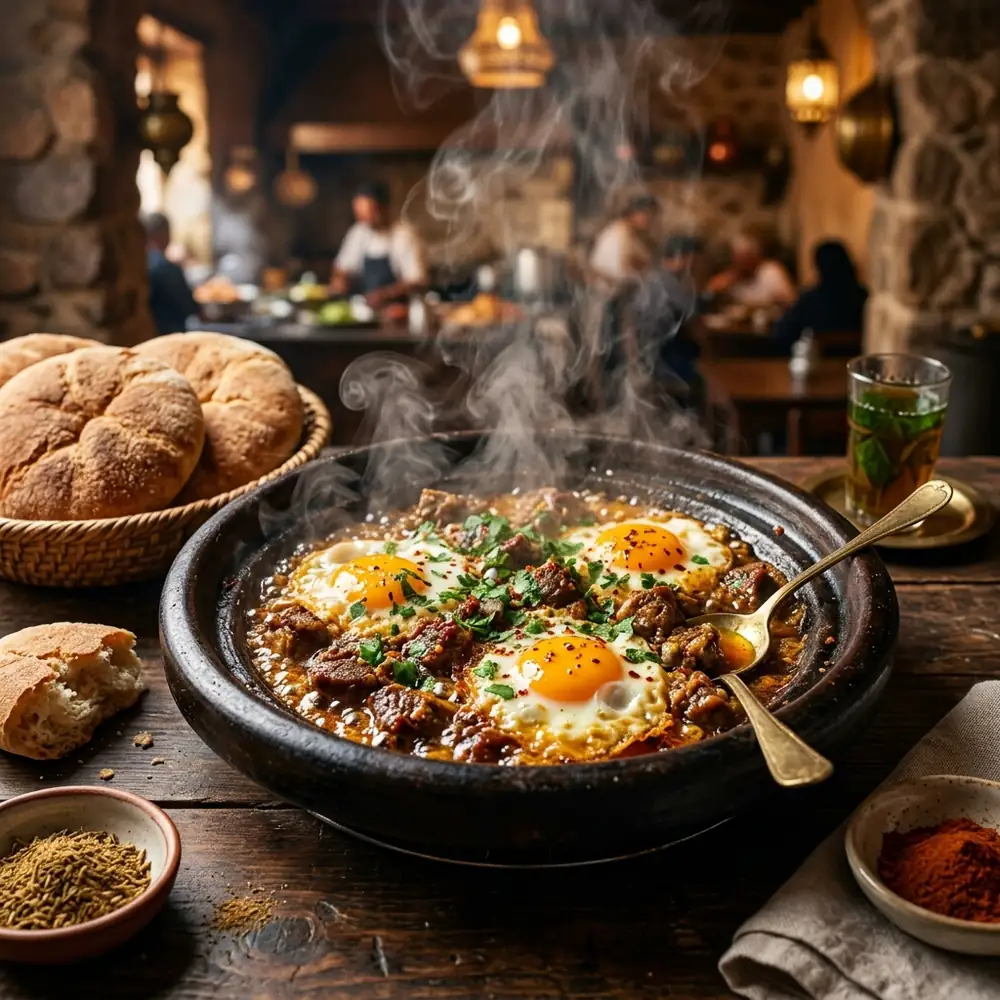
Khlea: The Ancestral Art of Curing Moroccan Spiced Meat
Before refrigeration, there was Khlea: strips of spiced, sun-dried meat preserved in fat that makes the ultimate Moroccan breakfast.
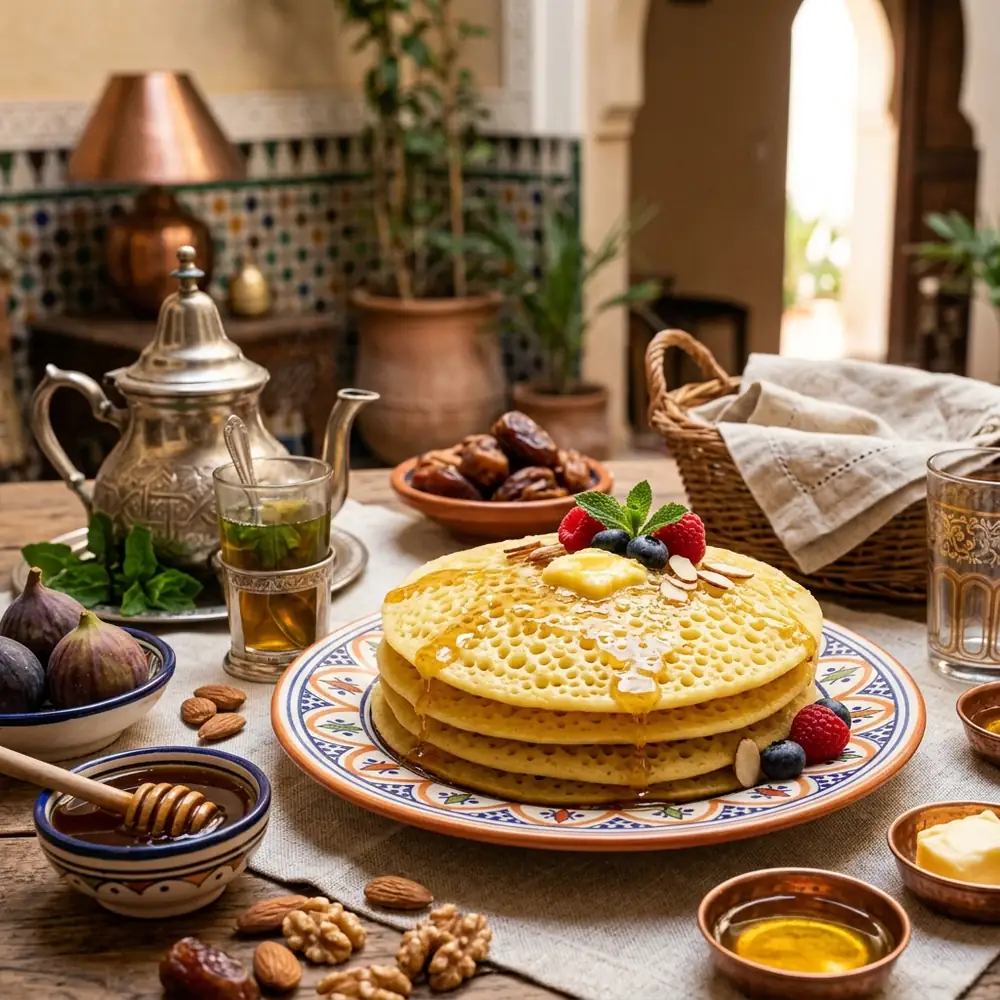
Baghrir: The Thousand-Hole Crepes That Sweeten Moroccan Mornings
Discover the chemistry and magic behind Baghrir, the spongy, hole-filled semolina crepes that soak up honey like a sponge.
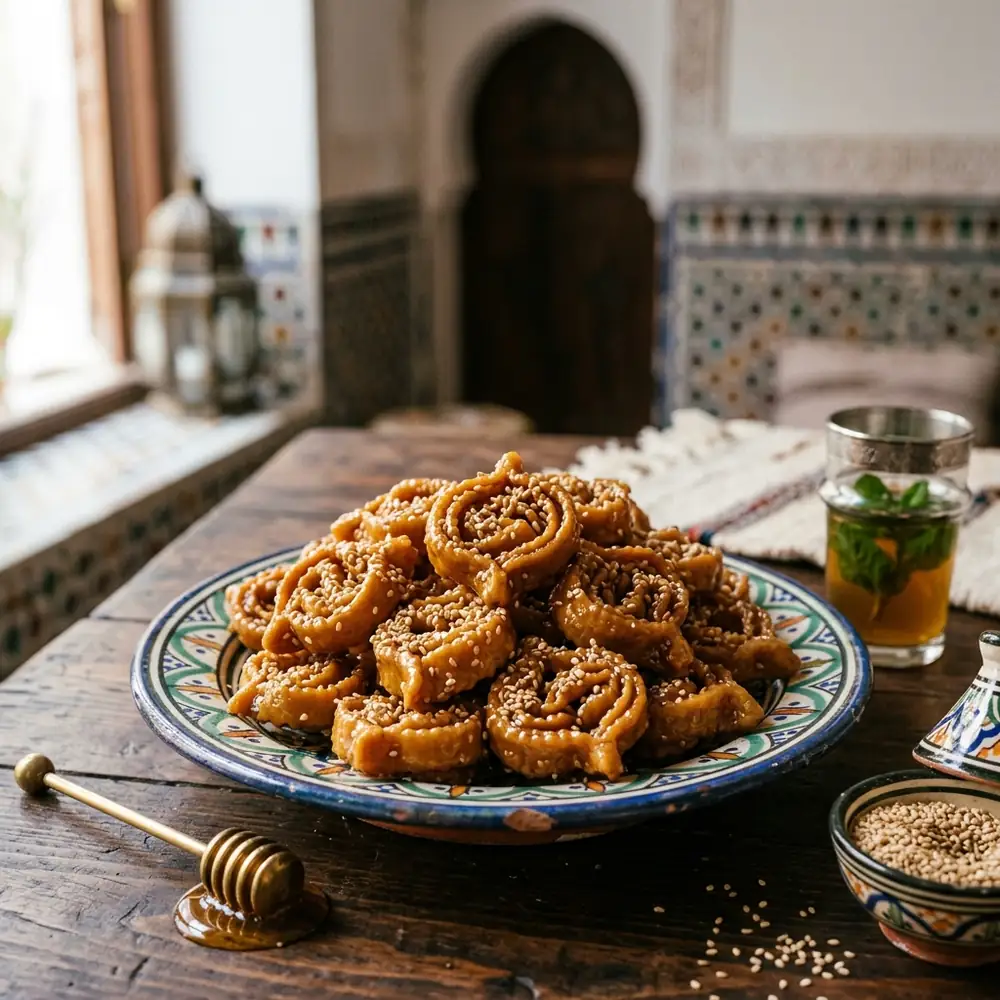
Chebakia: The Honey-Soaked Jewel of the Moroccan Fasting Month
An intricate, flower-shaped pastry that requires an army of women to fold, fry, and soak in time for Ramadan.
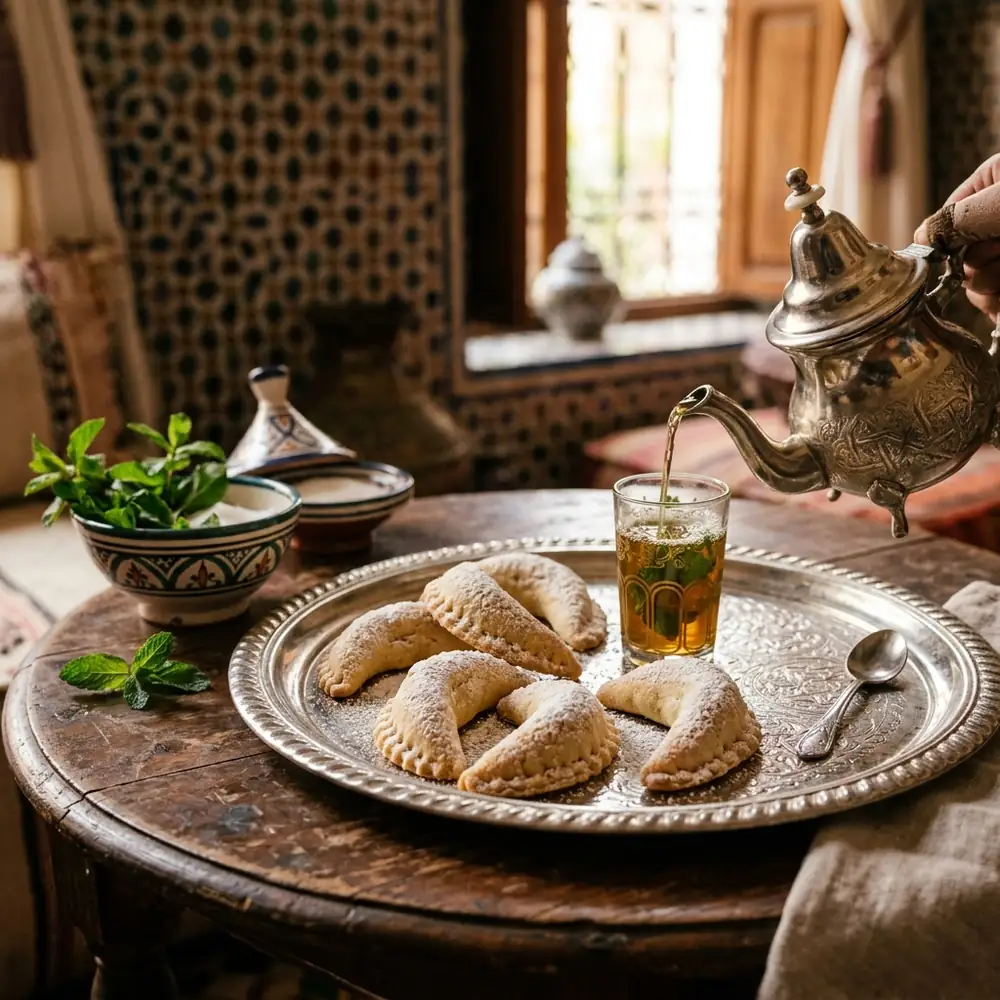
Cornes de Gazelle: The Delicate Almond Pastry of Moroccan Royalty
The undisputed queen of Moroccan sweets, the Gazelle Horn is a masterpiece of pure almond paste and orange blossom.
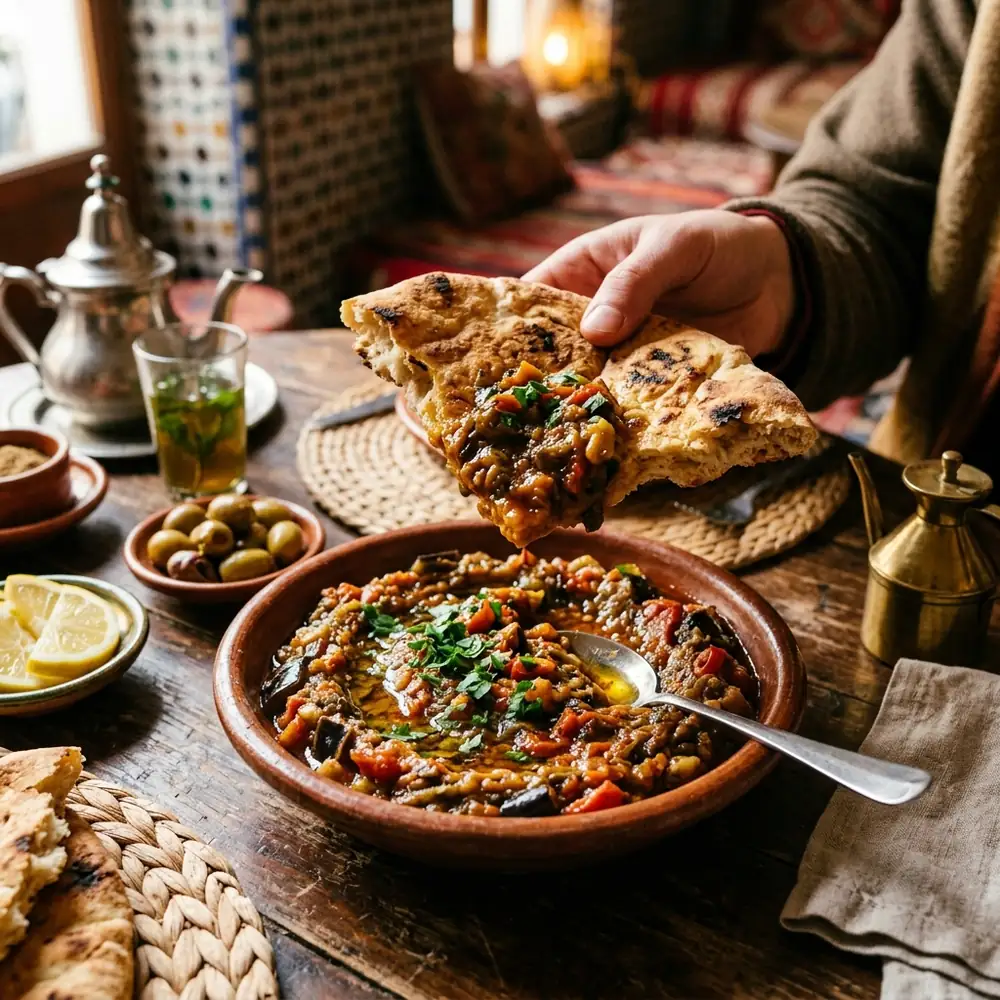
The Story of Zaalouk: Why Our Eggplant Salad is Never Served Flat
Forget everything you know about eggplant. Zaalouk is the smoky, garlicky, tomato-rich dip that begins every true Moroccan feast.

Seffa: The Sweet Cinnamon Vermicelli That Ends Moroccan Banquets
What is Moroccan Seffa? Dive into the sweet, towering dish of steamed vermicelli, almonds, and cinnamon that perfectly closes our grandest feasts.
Kefta Mkaouara: The Spiced Meatball and Egg Tagine You Must Try
How do you make authentic Kefta Mkaouara? Discover the ultimate Moroccan comfort food featuring spiced meatballs poached in rich tomato sauce with eggs.
Briouats: The Crispy, Golden Triangles of Moroccan Street Food
Discover the secrets of Moroccan Briouats, the versatile, paper-thin pastry triangles stuffed with savory meats or sweet almond paste.
Sellou: The Energy-Boosting Almond Paste of the Holy Month
What is Moroccan Sellou? Uncover the recipe for the unbaked, nutrient-dense almond and sesame powder that fuels the Kingdom during Ramadan.
Tanjia Without the Hammam: Can You Recreate the Magic at Home?
Can you cook Moroccan Tanjia without a traditional hammam furnace? Learn the secrets to slow-cooking this legendary Marrakech meat stew in a modern oven.
The Berbers and the Clay: How the Tagine Pot Changed Cooking Forever
Why is the Moroccan tagine cone-shaped? Discover how the indigenous Amazigh people invented the ultimate slow-cooking clay vessel for desert survival.
Dates of Erfoud: The Sweet Gold of the Moroccan Oases
Explore the cultural and culinary significance of Moroccan dates from the Erfoud oasis, the sweet foundation of our national hospitality.
Amlou: The Liquid Gold of the Argan Forest
What is authentic Amlou? Discover the luxurious Moroccan almond dip made with roasted nuts, pure honey, and rare, culinary argan oil.
Ras El Hanout: The Myth and Magic of the Shopkeeper's Spice Blend
What exactly is in Ras El Hanout? Uncover the secrets of the legendary Moroccan spice blend that translates to 'the head of the shop.'
Mrouzia: The Sweet and Savory Lamb of the Eid Celebration
Why is Moroccan Mrouzia so sweet? Explore the iconic Eid al-Adha tagine of slow-cooked lamb, raisins, almonds, and Ras El Hanout.
Cumin and Salt: The Inseparable Twins of the Moroccan Table
Why are cumin and salt always served together in Morocco? Learn how these two humble spices form the foundation of our ancestral dining etiquette.
Orange Blossom Water: The Perfume of Moroccan Pastries
What is orange blossom water? Delve into the floral alchemy of the Moroccan kitchen, where the scent of bitter orange trees elevates every sweet creation.
Smen: Why Our Grandmothers Bury Their Butter
Why is Moroccan Smen aged underground? Discover the fascinating ancestral preservation technique that turns simple butter into pungent, luxurious umami.
The Couscoussière: The Two-Tiered Steamer That Defined a Nation
What is a Couscoussière? Explore the iconic two-tiered Moroccan pot that uses aromatic meat steam to perfectly cook tiny semolina grains.
Preserved Lemons: The Umami Bomb of North Africa
Why are preserved lemons essential to Moroccan cuisine? Discover the intense, salty, and floral citrus ingredient that acts as a natural flavor enhancer.
L'Hamd Mssiyer: The Six-Month Transformation of the Beldi Lemon
What is L'Hamd Mssiyer? Delve into the patient, six-month aging process of the indigenous Moroccan Beldi lemon.
The Olive Groves of Meknes: A Roman Legacy
How did the Romans influence Moroccan olives? Journey to the imperial city of Meknes, the green heart of our ancestral olive oil production.
Mint: The Sacred Herb of the Moroccan Salon
What makes Moroccan mint so special? Dive into the world of Na'na, the vibrant, deeply aromatic herb that fuels the Kingdom's iconic tea culture.
Za'atar: The Wild Thyme That Cures All Ailments
What is Moroccan Za'atar? Explore the medicinal and culinary power of indigenous wild thyme, the ultimate healing herb of the Atlas Mountains.
The Apothecary of the Medina: A Guide to Moroccan Healing
How does traditional Moroccan medicine work? Step inside the mystical world of the medina apothecary to discover the ancient roots of our herbal healing.
Rose Water of Kelaat M'Gouna: Distilling the Valley of Roses
How is Moroccan rose water made? Journey to the Valley of Roses to uncover the meticulous, ancestral distillation process of the Damask rose.
Verbena (Louisa): The Calming Evening Brew of the Maghreb
What is Moroccan Louisa? Discover the lemony, soothing magic of Lemon Verbena, the Kingdom's ultimate herbal remedy for a restless mind.
Fenugreek (Helba): The Pungent Seed of Maternal Healing
Why is Fenugreek so vital in Moroccan medicine? Uncover the powerful, controversial, and deeply restorative properties of Helba.
Wormwood (Chiba): The Bitter Winter Replacement for Mint
Why do Moroccans drink absinthe tea in winter? Discover the medicinal warmth of Chiba (Wormwood), the potent, bitter herb that replaces mint when the cold sets in.
Pennyroyal (Fliou): The Cold-Fighting Mint of the Mountains
What is Fliou? Explore the intense, eucalyptus-like power of Moroccan Pennyroyal, the ultimate mountain remedy for clearing the lungs and fighting winter colds.
Gum Arabic (Meska Horra): The Tears of the Acacia Tree
What is Meska Horra? Discover the rare, crystalline tears of the Acacia tree used to elevate royal Moroccan pastries and heal the digestive system.
Savon Noir: The Olive Oil Soap That Purifies the Skin
Why is Moroccan black soap essential for the hammam? Explore the dark, viscous olive oil paste that naturally exfoliates and renews the body.
Rose Water vs. Orange Blossom Water: A Culinary Guide
What is the difference between rose water and orange blossom water? Learn how Moroccan chefs use these two distinct floral distillates to balance sweet and savory dishes.
Atay B'Na'na: The Chemistry of Gunpowder Tea and Mint
Why do Moroccans use Chinese gunpowder tea? Uncover the fascinating chemical balance between tightly rolled green tea leaves and fresh spearmint.
Rosemary (Iklil Al Jabal): The Memory Herb of the Atlas
Why is Rosemary essential to Moroccan herbalism? Discover the cognitive and medicinal benefits of Iklil Al Jabal, the fragrant evergreen of the Atlas Mountains.
Aniseed (Nafa'): The Sweet Breath of Moroccan Bread
What gives Moroccan bread its unique flavor? Explore the digestive magic of Nafa' (Aniseed), the sweet, licorice-scented seed at the heart of our baking.
Sesame Seeds (Jenjlan): The Golden Crunch of Ramadan
Why are sesame seeds essential to Moroccan sweets? Delve into the nutritional and culinary importance of Jenjlan during the fasting month of Ramadan.
Bkhour: The Sacred Incense of the Moroccan Home
What is the cultural meaning of Moroccan Bkhour? Dive into the fragrant world of burning resins and woods that purify the air and elevate the spirit.
Qaqoulla (Cardamom): The Hidden Warmth of Ras El Hanout
What role does Cardamom play in Moroccan cooking? Discover Qaqoulla, the incredibly expensive, minty green pod that provides the hidden magic in our royal spice blends.
Galangal (Khoudnjal): The Warming Root of the Winter Tea
Why do Moroccans drink Khoudnjal tea in winter? Discover the fiery, pine-scented galangal root that rapidly raises the body's temperature.
Thyme (Z'itra): The Gentle Cousin of Za'atar
What is Z'itra? Learn the difference between Moroccan Za'atar and its gentle, floral cousin, the delicate wild thyme used to flavor the Kingdom's finest olive oils.
Coriander Seeds (Qesbour حبوب): The Citrus of the Spice Rack
Why do Moroccan apothecaries value coriander seeds? Discover the bright, citrus-scented seed that balances the heavy, earthy spices of our cuisine.
Star Anise (Badiane): The Chinese Spice in Moroccan Tea
What is Badiane doing in Moroccan tea? Explore the journey of Star Anise, the stunning, eight-pointed spice that warms our winter infusions.
Clove (Qronfel): The Toothache Cure of the Apothecary
What is the primary medical use for Moroccan cloves? Discover Qronfel, the intensely aromatic, numbing flower bud that serves as the Kingdom's oldest dental remedy.

Nigella Seeds (Sanouj): The Blessed Seed in Moroccan Medicine
Known as the "seed of blessing," Sanouj is deeply woven into Moroccan prophetic medicine. Learn how it cures everything from colds to digestive woes.

Prickly Pear Seed Oil: The Miracle Anti-Aging Elixir of the South
Discover why prickly pear seed oil is the most expensive and potent natural anti-aging serum in the world, born in the harsh Moroccan south.

The Secret to Moroccan Mint Tea: It’s Not Just One Mint
The world thinks Moroccan tea is just spearmint. The reality is a complex, seasonal alchemy of herbs including wormwood, lemon verbena, and pennyroyal.

Cinnamon in Moroccan Cooking: A Bridge Between Dinner and Dessert
Discover how Morocco uses cinnamon not just for baking, but as the foundational spice that bridges the gap between sweet and savory in tagines and pastillas.

Turmeric and Ginger: The Golden Base of Every Great Tagine
Explore the foundational duo of Moroccan cooking. Why ginger and turmeric must go into the pot before any other spice.

Wild Thyme (Zaatar) of the Atlas Mountains
Far from the common pizza herb, the Zaatar of the Atlas Mountains is a pungent, healing medicine and a staple of rural Moroccan life.

Mastic Gum (Meska Horra): The Hidden Flavor in Moroccan Pastries
The most expensive and mysterious ingredient in the Moroccan bakery: tears of mastic tree resin that give our sweets their unique character.

The Traditional Apothecary (Herboristerie): What to Buy and Why
A guide to navigating the magical, aromatic labyrinth of the traditional Moroccan herbalist, where spices meet ancient medicine.

Fennel and Anise Seeds: The Fragrant Heart of Moroccan Breads
The sweet, licorice-like aroma of Nafa and Habat Hlawa is the secret signature that defines authentic Moroccan bread and tea-time cakes.

Orange Blossom Water vs. Rose Water: The Floral Signatures
Understanding the delicate balance between Zhar and Maa Werd, the two floral waters that perfume everything from our pastries to our guests hands.

Saffron from Taliouine: The Red Gold of Morocco
Cultivated in the shadow of Mount Siroua, Moroccan saffron is among the most potent in the world. Here is how to buy it, test it, and use it.

Smen: The Aged, Fermented Butter of the Ancestors
The pungent, blue-cheese-like butter that is buried in the ground to age. It is the boldest, most misunderstood flavor in the Moroccan kitchen.

Green Olives vs. Purple Olives: The Pairing Rules of Tajines
In Morocco, you cannot just throw any olive into a pot. Understanding the strict rules of olive pairing in traditional stews.

Argan Oil: The Liquid Gold of the Sous Valley
Discover the roasted, nutty culinary oil that is exclusively produced in southwestern Morocco and how we eat it for breakfast.

The Geography of Couscous: Seven Vegetables and Beyond
Couscous is not a side dish; it is an architectural masterpiece. Explore the regional variations of our most sacred Friday meal.

Mint, Absinthe, and Verbena: Seasonal Teas of Morocco
Moroccan tea is not just mint. Discover how the "Whiskey of the Desert" changes its herbal profile with the shifting of the seasons.

Earthenware Secrets: Why Clay Tajines Taste Better
The science and the magic behind the conical clay pot, and why a tajine cooked in metal is just a stew.

Khobz: The Sacred Round Loaf of the Moroccan Table
In a culture without forks, bread is the utensil, the sponge, and the heart of the meal. Here is the story of Khobz.

Dates of the Desert: Majhool vs. Deglet Nour
The Moroccan oasis produces dozens of date varieties. Understanding the difference between the "King of Dates" and the "Finger of Light."

Street Food Mornings: Bissara and Fresh Olive Oil
Forget croissants. The true working-class breakfast of Morocco is a steaming bowl of dried fava bean soup, heavily spiced with cumin.

The Etiquette of the Moroccan Table: Eating with Three Fingers
Eating from a communal tajine without utensils requires grace, respect, and a strict adherence to unspoken rules.

The Souk Al-Attarine: A Guide to the Spice Markets of Fes
Step into the oldest and most fragrant market in the world. How to navigate the spice merchants of the Fes medina like a local.

Aker Fassi: The Poppy Powder of Berber Women
Before modern cosmetics, Moroccan women relied on the crushed petals of poppies and pomegranate rinds for the perfect crimson lip stain.

The Magic of Mastic Gum (Meska Horra) in Moroccan Pastries
It looks like tiny teardrops of amber, but this rare tree resin is the invisible secret behind the chewiness of premium Moroccan sweets.

The Architecture of a Moroccan Kitchen: The Majmar and the Borma
Before modern gas stoves, the Moroccan kitchen was built around specialized clay and metal vessels. Meet the Majmar and the Borma.

Beyond Harira: The Hidden Regional Soups of Ramadan
Harira is the undisputed king of the Moroccan fast-breaking table, but it is not the only soup we rely on to survive Ramadan.

The Art of Pouring: Why Moroccan Tea is Poured from a Height
The dramatic high pour is not just for show. Understanding the physics and the etiquette behind the "Turban" of foam.

Ras el Hanout: The Myth and Reality of the "Head of the Shop"
There is no official recipe for Morocco’s most famous spice blend. What actually goes into Ras el Hanout, and how to use it.

Preserved Butter in the Desert: Smen vs. Oudi
We know Smen is the pungent aged butter of the north, but what is the sweet, thyme-infused butter of the deep south?

The Architecture of a Riad: Why the Best Dining is in the Courtyard
The Moroccan house is built entirely inward. Discover why the center of the house is always open to the sky.

Orange Slices and Cinnamon: The Perfect Moroccan Dessert
After a heavy, rich tajine, the Moroccan palate demands something bright, sharp, and simple to clear the palate.

Honey in Morocco: From Wild Thyme to Carob
In Morocco, honey is not just a sweetener; it is medicine. Discover the rare, dark honeys of the Atlas Mountains.

The Art of the Gasaa: Why We Eat from a Single Plate
In Morocco, plating individual portions is considered cold and isolating. Discover the profound significance of the communal Gasaa.

Olives for Breakfast: The Black, the Green, and the Harissa
In Morocco, the olive is not a garnish. It is a fundamental breakfast staple that comes in three distinct, powerful flavors.

Amlou vs. Peanut Butter: The Ultimate Moroccan Spread
Forget peanut butter. Meet Amlou: the liquid, nutty, wildly addictive Moroccan spread made from roasted almonds and pure Argan oil.

The Geometry of Chebakia: Why We Fold the Dough
The iconic Ramadan cookie is famous for its intricate, floral shape. But the folding technique is not just for decoration.

Fish in the Desert: The Unexpected Seafood Culture of Essaouira
Morocco is famous for its lamb and couscous, but the coastal city of Essaouira hides one of the greatest seafood cultures in Africa.

The Secret of the Sfenj Maker: The Street Donut that Requires No Sugar
It is the most famous street food in Morocco, yet the dough contains no sugar and no milk. The brilliant simplicity of Sfenj.

Cumin on the Table: The Moroccan Substitute for Black Pepper
In Western restaurants, tables have salt and black pepper. In Morocco, the second shaker is always filled with roasted cumin.
Zellige: The Living Mathematics of Moroccan Tilework
Every piece of Zellige tile is cut by hand. Not guided by machine, not traced from a template — cut by hand, by eye, by a craftsman who learned this from someone who learned it from someone who learned it in the 10th century.
Fes el-Bali: Inside the World's Largest Living Medieval City
Fes el-Bali is not a relic preserved under glass. Over 150,000 people live and work inside its 9th-century walls right now — today — in what is the largest car-free urban zone on Earth.
Henna: The Sacred Language Written on Moroccan Women's Hands
Moroccan henna is not decoration. It is a language — a system of symbols that carries prayers for protection, fertility, and love — and it has been written on the hands of brides in this Kingdom for longer than anyone can trace.
Moroccan Mint Tea: The Three Glasses and the Social Laws Nobody Wrote Down
There is a Moroccan proverb so well known that every child in the Kingdom has heard it before they are eight years old: the first glass of tea is as gentle as life, the second as strong as love, the third as bitter as death. You drink all three. Leaving after two is considered rude.
Argan Oil: What Nobody Tells You About Morocco's Most Famous Export
Culinary argan oil and cosmetic argan oil are completely different products made from the same nut in completely different ways. Most people don't know this. And most argan oil sold outside Morocco is not what it claims to be.
Msemen: The Moroccan Flatbread That Looks Simple and Isn't
Msemen is the square, layered, flaky Moroccan flatbread eaten at every breakfast table in the Kingdom. Every Moroccan grandmother makes it differently. Every Moroccan grandmother is also convinced that her method is the only correct one.
Zaalouk: The Moroccan Smoked Eggplant Salad Nobody Serves from a Flat Plate
Zaalouk is a cooked Moroccan salad of fire-roasted eggplant and tomato, heavily spiced and finished with olive oil and preserved lemon. It is served warm in a deep ceramic bowl at the center of the table, and everyone dips bread directly into it. This is not negotiable.
Couscous: Why Friday Matters and Why Instant Couscous Is an Entirely Different Product
Couscous is Morocco's national dish and its most sacred Friday meal — served after the midday prayer, slow-steamed over a vegetable broth, never quick-cooked in boiling water. What you pour boiling water over and cover for five minutes is not the same ingredient. It is not even close.
Smen: The Aged Clarified Butter That Divides Morocco and Makes Everything Better
Smen is Morocco's aged clarified butter — pungent, deeply savory, somewhere between ghee and a strong cheese in character. People who grew up with it find it irreplaceable. People who encounter it for the first time sometimes describe it as having gone off. Both reactions tell you something true about it.
Ras el Hanout: The Spice Blend Nobody Agrees On and Everybody Uses
Ras el Hanout means 'head of the shop' in Arabic — the best the spice merchant has to offer, his signature blend. Every merchant has a different recipe. Some contain twelve spices. Some contain thirty-six. There is no standard formula, which is either a beautiful expression of culinary individuality or a frustrating moving target depending on your perspective.
Jebel Toubkal: Morocco's Highest Mountain and What It Actually Takes to Reach the Summit
Jebel Toubkal at 4,167 meters is the highest peak in North Africa and can be reached by fit non-climbers in two days from Marrakech. This does not mean it is easy. The altitude, the scree, the winter conditions, and the thing that happens to your body above 3,500 meters are worth understanding before you book a guide.
Kefta and Egg Tagine: The One-Pan Moroccan Dish That Everyone Gets Right Eventually
Kefta ma bayd — spiced meatballs in tomato sauce with eggs poached directly in the sauce — is the most achievable Moroccan tagine for a home cook outside Morocco. It is also genuinely delicious. The spice blend inside the meatballs is where the character lives and where most recipes underdeliver.
The Imilchil Marriage Moussem: The High Atlas Festival Where Couples Still Choose Each Other
The Imilchil Marriage Moussem in the High Atlas happens every September when the Aït Hadiddou tribe gathers at the shrine of Sidi Mohammed el-Merhani. Young men and women from across the region meet, observe, and make marriage proposals — a process that happens in public, with community oversight, over three days.
Erg Chebbi: What Morocco's Sahara Dunes Actually Are and Why They Are Not Where You Think
The Erg Chebbi dunes near Merzouga are not the beginning of the Sahara. They are an isolated dune field — about 22 kilometers long and 5 kilometers wide — surrounded by stony desert plain. The Sahara proper begins further south. None of this makes the dunes less extraordinary. It does make them more interesting.
The Alaouite Dynasty: Morocco's Royal Family, Three and a Half Centuries, and Why It Survived
The Alaouite dynasty has ruled Morocco since 1664 — through Ottoman pressure from the east, European colonial encroachment, the French and Spanish protectorates, independence, and the challenges of a modern state. King Mohammed VI is the twenty-third Alaouite sultan. The dynasty's longevity is not accidental and deserves to be understood.
Lamb Tagine with Prunes and Almonds: The Sweet-Savory Balance That Defines Moroccan Cooking
The lamb tagine with prunes, honey, and fried almonds is the dish that most completely expresses the Moroccan culinary aesthetic of sweet-savory integration. It is not a dessert with meat in it. It is a deeply savory dish that uses sweetness as one dimension of a complex whole. The difference matters enormously.
Chicken Kdra: The Fassi Saffron-and-Onion Tagine That Takes Three Onions and No Shortcuts
Kdra is the Fassi style of cooking — specifically the technique of slowly dissolving onions in smen and saffron until they become the sauce itself. Chicken kdra with chickpeas is the most classic version: a pale, fragrant, deeply savory tagine where the onion is not a background ingredient but the primary substance.
Zaalouk: The Moroccan Eggplant Salad Where the Flame Step Is Not Optional
Zaalouk is Morocco's smoky eggplant and tomato salad — charred directly over a flame, peeled, and cooked down with cumin, paprika, garlic, and olive oil into a dense, silky preparation that is one of the cooked salads served at the beginning of every significant Moroccan meal. The charring is not optional.
Taliouine Saffron: Why Morocco Grows Some of the World's Best and What That Means for the Price
The Taliouine valley in the Anti-Atlas produces saffron that experts rank among the best in the world — high crocin content, intense color, clean floral aroma. It is harvested by hand, three stigmas per crocus flower, in a two-week October window. A kilo requires roughly 150,000 flowers. The price reflects this arithmetic.
Chicken with Preserved Lemon and Olives: The Tagine That Defines Moroccan Cooking for the World
The saffron-ginger chicken tagine with preserved lemon and green olives is the dish that has most effectively represented Moroccan cuisine internationally. It is not overrated. It is genuinely one of the great dishes in any culinary tradition, and making it correctly requires understanding three specific things most recipes underemphasize.
Seffa: The Sweet Couscous With Powdered Sugar That Arrives in the Middle of the Meal
Seffa is the Moroccan sweet couscous — steamed to perfect lightness, mounded on a platter, dusted with powdered sugar and cinnamon, topped with fried almonds and raisins. It arrives at formal Moroccan meals between the savory courses. It is not a dessert. Understanding where it falls in the meal structure tells you something important about Moroccan culinary philosophy.
Imouzzer des Ida Outanane: The Atlas Waterfall Village an Hour from Agadir That Nobody Goes To
Imouzzer des Ida Outanane is a small village in the western High Atlas, 60 kilometers inland from Agadir, at the end of a road that climbs through argan forest into the mountains. In February and March, after the winter rains, its waterfall runs. The village square has one café. The landscape has nobody in it but you.
The Attarine Madrasa: The Spice Market Madrasa of Fes and Reading Its Carved Walls
The Attarine madrasa in Fes, named for the spice market adjacent to it, is the Merinid madrasa that served the Qarawiyyin mosque directly. Its carved plaster and cedar decoration is among the finest in Morocco. It is smaller than Bou Inania but more intimate, and understanding how to read its decoration reveals the geometric system behind all Moroccan ornament.
Couscous with Seven Vegetables: What the Seven Are and Why Counting Them Is Not Actually the Point
The classic Moroccan couscous with seven vegetables is one of the most discussed and least precisely defined dishes in the canon. The seven vegetables vary by region, season, and family. The number seven is auspicious, not prescriptive. What does not vary is the cooking method, the steaming discipline, and the broth that ties everything together.
The Fes Tanneries: What the Dye Pits Actually Are, Who Works in Them, and Why the Smell Is Not Metaphorical
The Chouara tannery in Fes is one of the most photographed working sites in the world. The view from the surrounding terrace shops, looking down into the circular stone vats of color, is genuinely spectacular. The smell is genuinely extreme. The tanning process visible in those vats is essentially unchanged from the 11th century. All three things deserve honest description.
Mrouzia: The Aid el-Adha Lamb Tagine With Honey, Ras el Hanout, and Almonds That Keeps for a Month
Mrouzia is the specific tagine made from Aid el-Adha lamb — sweetened heavily with honey, deeply spiced with ras el hanout, enriched with fried almonds and raisins, cooked down to a thick, almost confited consistency that allows it to keep at room temperature for several weeks without refrigeration. It is a preservation dish as much as a recipe.
Chermoula: The Moroccan Marinade That Works on Fish, Chicken, Vegetables, and Grilled Bread
Chermoula is Morocco's fundamental marinade — fresh coriander, flat-leaf parsley, garlic, cumin, paprika, preserved lemon, olive oil, and lemon juice worked into a herb paste that flavors grilled fish, roasted chicken, baked vegetables, and everything else you choose to put it on. It takes five minutes to make. It changes whatever it touches.
The Moroccan Hammam: What Actually Happens Inside and How to Go Without Getting It Wrong
The Moroccan hammam — the communal steam bath — is one of the most important social institutions in Moroccan urban life. It is not a spa. Understanding what it is, what happens in sequence, what to bring, and how to behave correctly requires more specific information than most travel guides provide.
Argan Oil: What It Actually Is, How It Is Made, and Why the Tree-Climbing Goats Are Not the Story
Argan oil is produced exclusively in southwestern Morocco from the nut of the argan tree. The difference between culinary argan (roasted nuts, dark, nutty flavor) and cosmetic argan (unroasted nuts, light, neutral smell) is absolute. The labor required to crack the nuts by hand explains the price better than any marketing narrative.
The Moroccan Tea Ceremony: The Pour, the Foam, and the Meaning of the Three Glasses
Mint tea is the operational fluid of Moroccan social life. It is not just a beverage; it is an act of hospitality that requires a specific brewing method, massive quantities of fresh mint and sugar, and a high-altitude pour designed to create the essential 'crown' of foam on the surface of the glass.
Mrouzia: The Sweet and Savory Lamb Tagine Reserved for the High Holidays
Mrouzia is the ultimate expression of Moroccan sweet-and-savory cooking. Prepared in the days following Aid el-Adha, this rich tagine of lamb (or beef), honey, almonds, raisins, and the complex Ras el Hanout spice blend was originally designed to preserve meat before refrigeration.
Tadelakt: The Waterproof Plaster of Marrakech, Powered by Olive Soap and River Stones
Tadelakt is the signature architectural finish of Marrakech. A waterproof, seamless lime plaster with a soft, undulating sheen. Its beauty and water resistance are achieved not through modern chemicals, but through an ancient, labor-intensive process of polishing the lime with a river stone and black olive soap.
The Ascent of Jebel Toubkal: Climbing the Roof of North Africa
At 4,167 meters, Jebel Toubkal is the highest peak in the Atlas Mountains and all of North Africa. The ascent requires no technical climbing gear, but it demands physical endurance, respect for the altitude, and a reliance on the local Amazigh guides from the village of Imlil.